The Importance of Timely Dead Animal Removal for Health and Safety
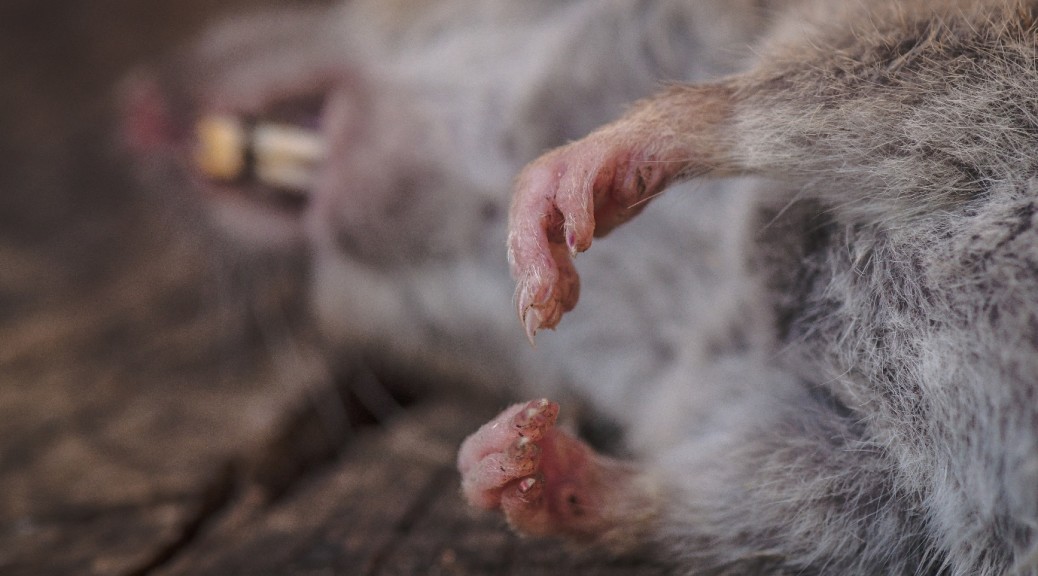
The discovery of a dead animal within or around a property is not only unpleasant but can pose significant health and safety risks. Timely removal is crucial to mitigate these risks and ensure a safe and sanitary environment. Decomposition of animal carcasses can lead to the release of foul odors, attract scavengers, and become a breeding ground for various diseases. Understanding the importance of prompt action in such scenarios is vital for maintaining a healthy living or working space.
Health Risks Associated with Dead Animals
Decomposing animal remains are a potential source of various health hazards. It is essential to recognize these risks to appreciate the importance of dead animal removal.
Bacterial Infections
- Decomposing carcasses can harbor bacteria such as Salmonella and E. coli, which are harmful to humans.
- Contact with these bacteria can occur through direct contact or indirectly through contaminated surfaces.
Parasites and Insects
- Dead animals often attract insects like flies, which can lay eggs and increase the risk of infestation in the area.
- Parasites such as fleas and ticks may also inhabit carcasses, posing a risk to pets and humans alike.
Environmental Impact
The presence of dead animals can adversely affect the surrounding environment, emphasizing the need for efficient removal services.
Odor and Air Quality
- The decomposition process emits foul odors that can permeate the air, making it difficult to breathe and reducing overall air quality.
- Persistent odors can be particularly problematic in residential areas, impacting the quality of life.
Contamination of Water Sources
- Runoff from decomposing carcasses can contaminate nearby water sources, posing a risk to both human and animal populations.
- Such contamination can lead to the spread of diseases and affect local ecosystems.
Safety Concerns
Beyond health and environmental issues, dead animals can also pose various safety challenges if not addressed promptly.
Attracting Predators
- Deceased animals can attract larger predators or scavengers, which may pose a direct threat to humans and pets.
- The presence of these animals can lead to increased human-wildlife conflicts.
Structural Damage
- If a dead animal is located within a building, it can lead to structural damage and pest infestations.
- Prompt dead animal removal can prevent costly repairs and maintenance.
Conclusion
Timely removal of dead animals is essential for preserving health, safety, and environmental integrity. The risks associated with delayed removal are significant, ranging from health hazards and environmental contamination to safety threats and property damage. Understanding the importance of addressing these issues promptly can help individuals and communities maintain a safe and healthy environment. Professional removal services can offer effective solutions, ensuring that all potential risks are managed efficiently and effectively.