IRA Compliant EV Chargers: Ensuring Regulatory Compliance
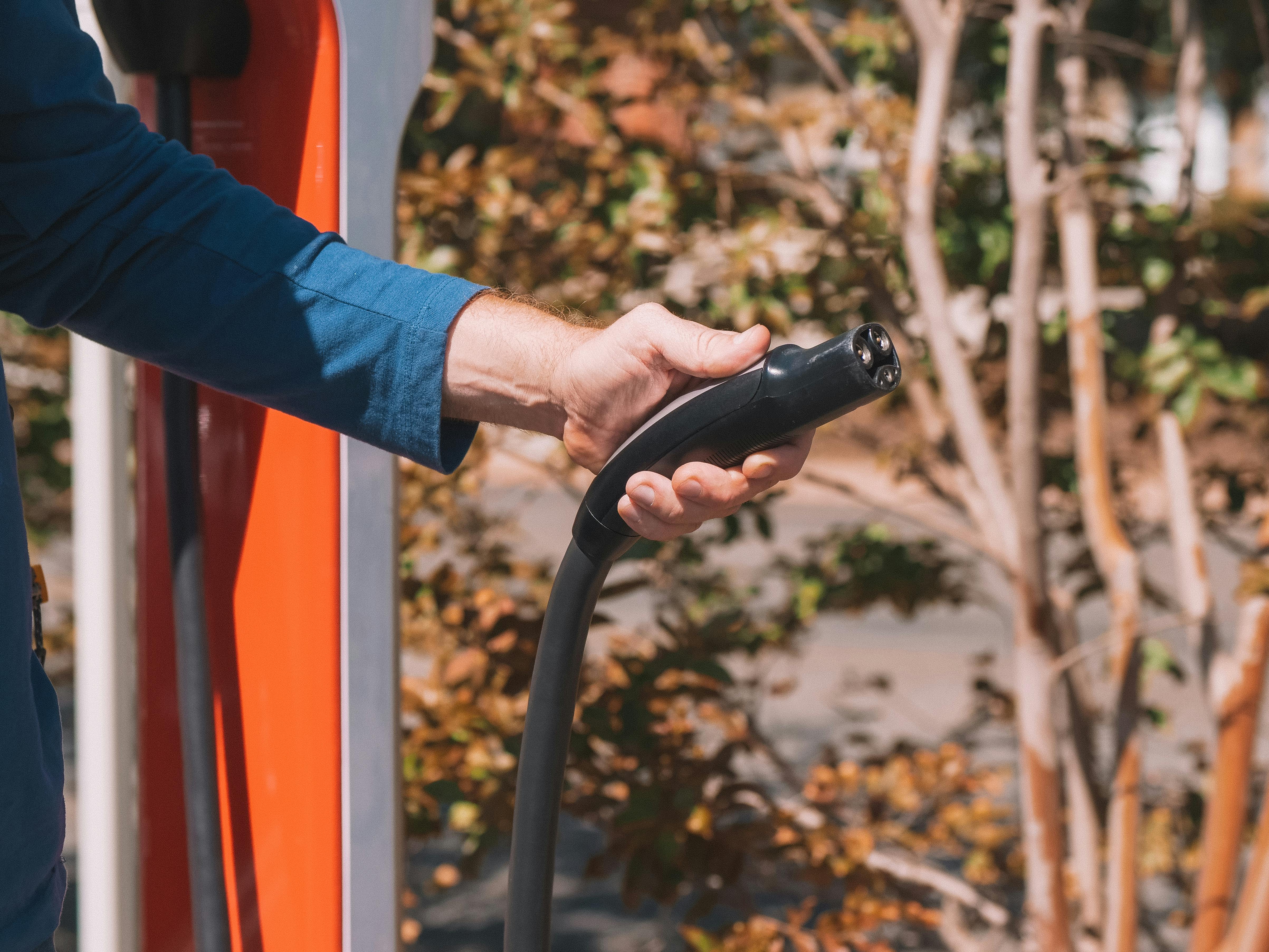
In today’s rapidly evolving landscape of electric vehicles (EVs), ensuring that EV chargers adhere to regulatory standards is crucial for both manufacturers and consumers. As the demand for eco-friendly transportation grows, so does the need for reliable charging infrastructure. This necessitates compliance with specific standards, such as the International Regulatory Agreement (IRA), which governs various aspects of EV charger functionality and safety. Understanding these regulations is essential for businesses looking to align with global best practices and for consumers seeking dependable charging solutions.
Understanding IRA Compliance
The International Regulatory Agreement (IRA) sets forth comprehensive standards that EV chargers must meet to ensure they are safe, reliable, and efficient. Compliance with these standards is not just about adhering to legal requirements but also about promoting consumer trust and advancing the shift towards sustainable transportation.
Key Aspects of IRA Compliance
- Safety Standards: Ensuring that chargers are safe to use under various environmental conditions.
- Efficiency Requirements: Mandating that chargers operate at maximum efficiency to reduce energy consumption.
- Interoperability: Ensuring that chargers are compatible with a wide range of EV models and brands.
- Data Security: Protecting user data from unauthorized access and ensuring secure transactions.
- Durability: Confirming that chargers are built to withstand prolonged use and adverse weather conditions.
Benefits of IRA Compliant EV Chargers
Compliance with IRA standards offers numerous benefits that extend beyond mere regulatory adherence. These advantages cater to both manufacturers and end-users, enhancing the overall EV charging experience.
For Manufacturers
- Market Access: Compliant products can be sold in multiple markets without additional modifications, increasing market reach.
- Reputation Enhancement: Adhering to high standards reinforces manufacturer credibility and consumer trust.
- Innovation Encouragement: Standards push manufacturers to innovate, improving product offerings and technological advancement. Explore advanced guides and tips.
For Consumers
- Reliability: IRA compliant chargers are tested to ensure consistent performance, reducing downtime.
- Safety Assurance: Users can trust that products meet rigorous safety requirements, protecting both people and property.
- Compatibility: Enhanced interoperability ensures that chargers work with a wide range of EV models, minimizing user inconvenience. Discover expert strategies here.
Implementing IRA Compliance in EV Charger Development
For manufacturers, implementing IRA compliance starts at the design phase and continues through production and post-market surveillance. Here are some strategies that can be adopted:
Design and Development
- Comprehensive Testing: Conduct rigorous testing during the design phase to ensure products meet all IRA standards.
- Cross-Functional Teams: Engage teams across engineering, regulatory affairs, and quality assurance to align on compliance objectives.
Production and Quality Control
- Continuous Monitoring: Implement quality control systems to monitor compliance throughout the production process.
- Supplier Management: Ensure that all components sourced from suppliers meet IRA standards. Find out more about this approach.
Staying Ahead with Continuous Compliance
As regulations evolve, staying informed and adaptable is crucial. Companies must not only meet current standards but also anticipate future changes. This involves:
- Regular Training: Keeping teams updated on changes in regulations and industry best practices.
- Engagement with Regulatory Bodies: Actively participating in regulatory discussions and forums to influence future standards.
- Investment in R&D: Allocating resources to research and development to remain at the forefront of technology and compliance. Learn about our tailored solutions.
Adhering to IRA compliance not only ensures that businesses operate within legal frameworks but also enhances the overall quality and safety of EV charging solutions. By prioritizing compliance, companies can deliver superior products that support the growing demand for clean energy transportation.