Secure Data Destruction for IT Asset Disposition
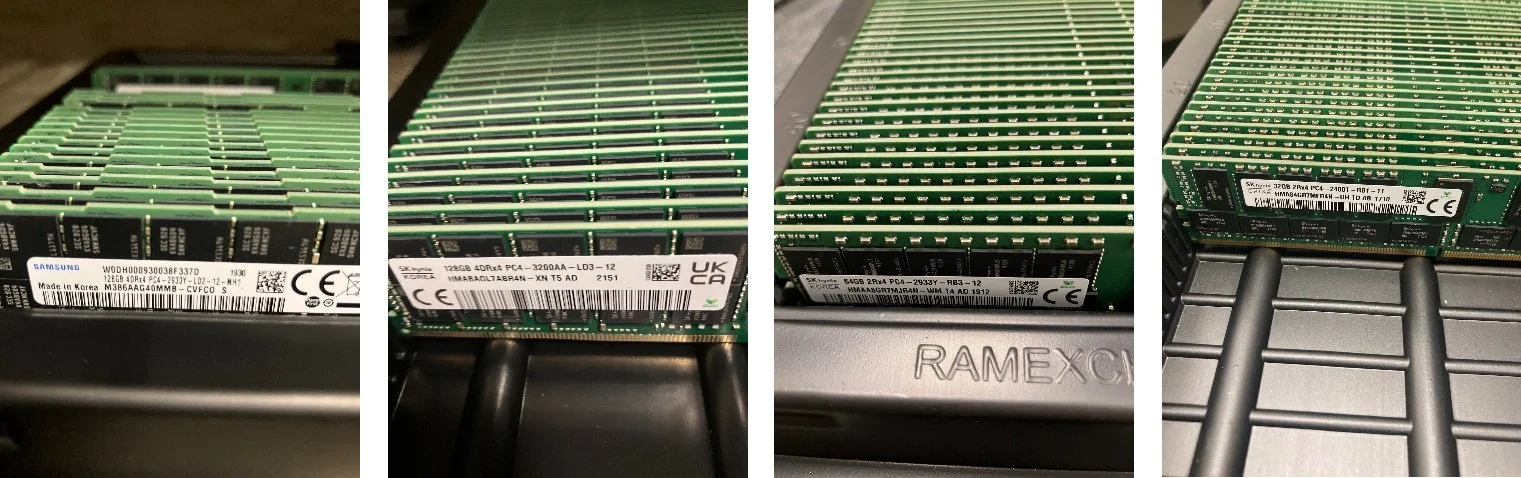
In today’s fast-paced digital world, data security is of utmost importance. As organizations continually upgrade their technology, the need for secure data destruction becomes critical. IT Asset Disposition (ITAD) involves the safe and environmentally responsible disposal of surplus IT equipment. A crucial aspect of ITAD is ensuring that all data stored on these devices is irrecoverably destroyed, safeguarding sensitive information and maintaining compliance with data protection regulations.
Why Secure Data Destruction is Essential
Data breaches pose significant risks to organizations, leading to financial loss, reputational damage, and legal liabilities. Secure data destruction minimizes these risks by ensuring that data cannot be retrieved or misused. Here are some reasons why secure data destruction is essential:
- Protecting Sensitive Information: Sensitive data stored on IT assets may include personal customer details, financial records, and proprietary information. Secure destruction ensures this data is not exposed.
- Compliance with Regulations: Organizations must comply with data protection laws and industry standards, which often mandate secure data destruction during the disposition process.
- Environmental Responsibility: Proper disposal of IT assets mitigates environmental impact by reducing e-waste and promoting recycling efforts.
Read more about this topic at this comprehensive resource.
Methods of Secure Data Destruction
Data Wiping
Data wiping involves overwriting the existing data on a storage device with random information, making it unrecoverable. This method is suitable for devices that will be reused or resold. Data wiping software often provides verification reports to certify that data has been successfully erased.
Learn more in this detailed guide on secure data destruction methods at our recommended source.
Physical Destruction
Physical destruction ensures that data cannot be recovered by physically damaging the storage device. This can involve shredding, crushing, or degaussing hard drives and other storage media. This method is often used for highly sensitive data that cannot risk even the slightest chance of recovery.
Explore further insights here on the importance of physical destruction: find more information here.
Best Practices for IT Asset Disposition
Implementing effective ITAD processes is critical for secure data destruction. Consider the following best practices:
- Develop a Comprehensive ITAD Policy: A well-defined policy outlines procedures for data destruction, asset tracking, and compliance with regulations.
- Use Certified ITAD Vendors: Partner with vendors that have certifications and expertise in secure data destruction and environmentally responsible disposal.
- Maintain Accurate Records: Keep detailed records of disposed assets, including data destruction certificates, to ensure compliance and traceability.
- Regular Audits and Reviews: Conduct regular audits of ITAD processes to identify areas for improvement and ensure compliance with evolving regulations.
Find additional information here about best practices for IT asset disposition: explore this guide.
Conclusion
Secure data destruction is a critical component of IT asset disposition, protecting organizations from data breaches and ensuring compliance with legal and environmental standards. By implementing robust ITAD practices, organizations can safeguard sensitive information, mitigate risks, and contribute to a sustainable future. For further insights into secure data destruction and IT asset disposition, explore additional resources here.