Diplomatic Security Service: Safeguarding Diplomatic Personnel Worldwide
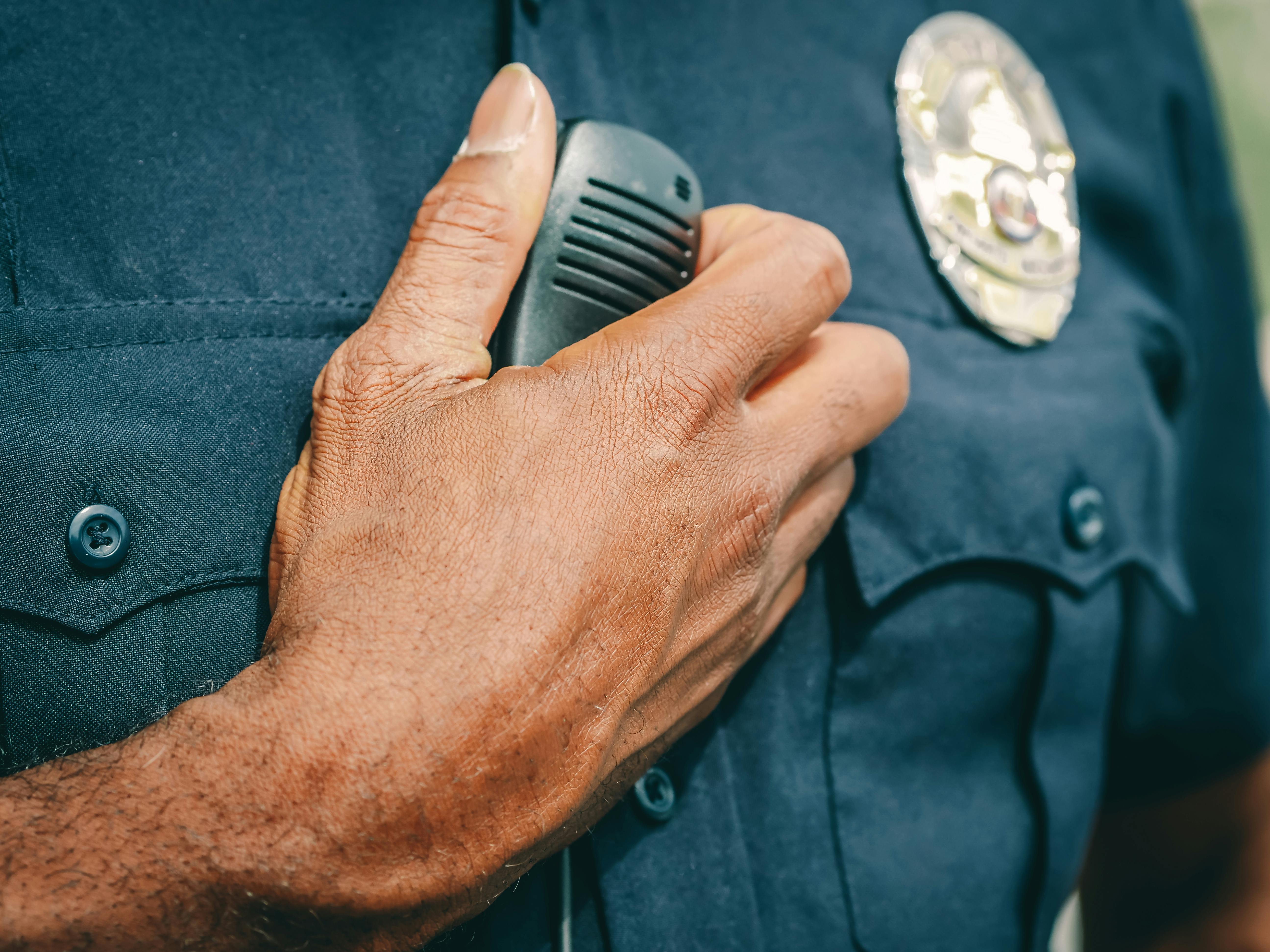
In the realm of international relations, the safety of diplomatic personnel is paramount to maintaining global peace and cooperation. The Diplomatic Security Service plays a critical role in ensuring that diplomats, embassies, and consulates are protected against threats ranging from espionage to terrorism. This service is a complex and dynamic field, requiring specialized knowledge and skills to address the myriad of risks faced by diplomatic missions worldwide.
The Role of Diplomatic Security Services
A diplomatic security service is tasked with a variety of responsibilities to ensure the protection and safety of diplomatic entities. These services are not only about physical security but also encompass strategic planning and risk management. Key responsibilities include:
- Providing physical security to embassies and consulates.
- Conducting threat assessments and implementing mitigation strategies.
- Training diplomatic personnel in security awareness.
- Coordinating with local and international law enforcement agencies.
Challenges in Diplomatic Protection
The dynamic geopolitical landscape presents numerous challenges to diplomatic protection efforts. Some of the pressing challenges include:
Geopolitical Instability
Diplomatic missions often operate in regions with volatile political climates. This instability can escalate the risk of targeted attacks on diplomatic personnel and facilities.
Technological Advancements
With the rapid advancement in technology, new threats such as cyber-attacks have emerged. Protecting sensitive information from cyber espionage is a critical component of modern diplomatic security strategies.
Cultural Sensitivities
Operating within diverse cultural environments requires a nuanced understanding of local customs and practices. Diplomatic security personnel must be adept at navigating these cultural landscapes to effectively safeguard diplomatic missions.
Strategies for Effective Diplomatic Security
To address these challenges, diplomatic security services employ a range of strategies designed to enhance the safety and security of diplomatic entities. Effective strategies include:
- Integration of advanced surveillance and monitoring systems to detect potential threats.
- Regular security audits and updates to adapt to evolving threats.
- Comprehensive training programs for diplomatic staff to heighten security awareness.
- Collaboration with international security agencies to share intelligence and best practices.
The Importance of Collaboration
Collaboration is a cornerstone of effective diplomatic security. By working in concert with local and international partners, diplomatic missions can leverage a broader range of resources and expertise. This collaborative approach not only enhances security measures but also fosters mutual understanding and cooperation among nations.
Conclusion
The importance of a robust diplomatic security service cannot be overstated. In a world where diplomatic relations are crucial for peace and development, ensuring the safety of those who facilitate these relationships is vital. Through strategic planning, technological integration, and international collaboration, diplomatic security services continue to adapt and respond to the ever-changing security landscape, safeguarding the interests of nations and their representatives worldwide.

