Sustainable Practices: The Importance of Shredded Paper Recycling
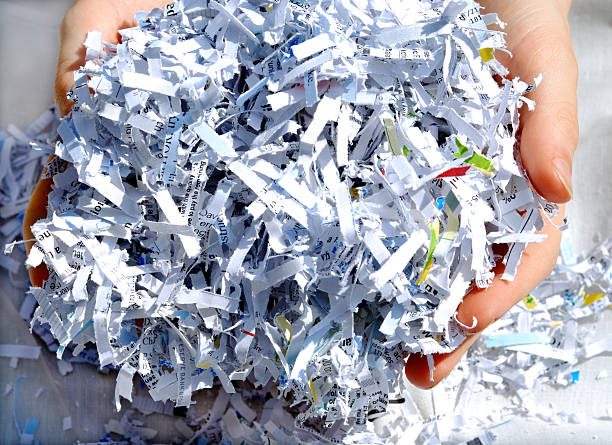
In an era where environmental consciousness is more important than ever, the practice of recycling has become a pivotal part of both individual and corporate responsibility. Among the various materials that can be recycled, shredded paper holds significant potential. This often-overlooked material can contribute greatly to sustainable practices when correctly managed. Understanding its importance and implementing effective recycling strategies can help reduce waste and promote a healthier planet.
The Significance of Shredded Paper Recycling
Shredded paper is a common byproduct in many offices and households. Despite its prevalence, its recycling is often misunderstood or overlooked. Effective shredded paper recycling is crucial for several reasons:
- Resource Conservation: Recycling paper conserves natural resources by reducing the need for virgin materials. This conservation helps decrease deforestation rates and preserve ecosystems.
- Energy and Water Savings: Manufacturing new paper from recycled materials consumes less energy and water compared to producing it from raw materials.
- Waste Reduction: By recycling shredded paper, the volume of waste sent to landfills is decreased, which in turn reduces methane emissions and extends the life of existing landfill sites.
Challenges in Recycling Shredded Paper
Despite its benefits, recycling shredded paper poses certain challenges:
- Processing Difficulty: The small size of shredded paper pieces can be problematic for recycling facilities since they can clog machines, leading to inefficiencies.
- Quality Concerns: The quality of recycled paper can be compromised due to the mixing of shredded paper with other materials, leading to contamination.
Addressing the Challenges
To overcome these challenges, proper practices must be implemented:
- Separation: Ensure shredded paper is kept separate from other recyclables to prevent contamination.
- Bagging: Place shredded paper in clear plastic bags when disposing of it for recycling. This prevents it from scattering and facilitates easier handling by recycling facilities.
How to Recycle Shredded Paper Effectively
Implementing effective recycling practices involves understanding the guidelines set by local recycling facilities. Some general tips for recycle shredded paper effectively include:
- Check Local Regulations: Recycling practices can vary widely. Always check with local facilities to understand their specific requirements for shredded paper.
- Use Eco-Friendly Shredders: Opt for shredders that produce larger, more manageable strips rather than confetti-like pieces, which are easier for recycling facilities to process.
- Consider Composting: As an alternative to traditional recycling, shredded paper can be used as compost material, especially if it is free from ink and dyes.
The Role of Businesses in Promoting Shredded Paper Recycling
Organizations play a critical role in fostering sustainable practices. By integrating shredded paper recycling into their waste management systems, businesses can significantly reduce their environmental footprint:
- Establish Recycling Policies: Develop and communicate clear recycling policies to encourage employees to participate in recycling programs actively.
- Provide Resources: Supply adequate bins and clear instructions to facilitate the correct disposal and recycling of shredded paper.
- Engage in Partnerships: Collaborate with waste management services to ensure that shredded paper is recycled correctly and efficiently.
In conclusion, the recycling of shredded paper is a vital component of sustainable waste management practices. By understanding and addressing the challenges involved, individuals and organizations can make significant strides towards reducing environmental impact. Emphasizing the importance of recycle shredded paper can help foster a culture of sustainability and responsibility that benefits both the planet and future generations.