Expert Stem Cell Consultation for Personalized Treatment Plans
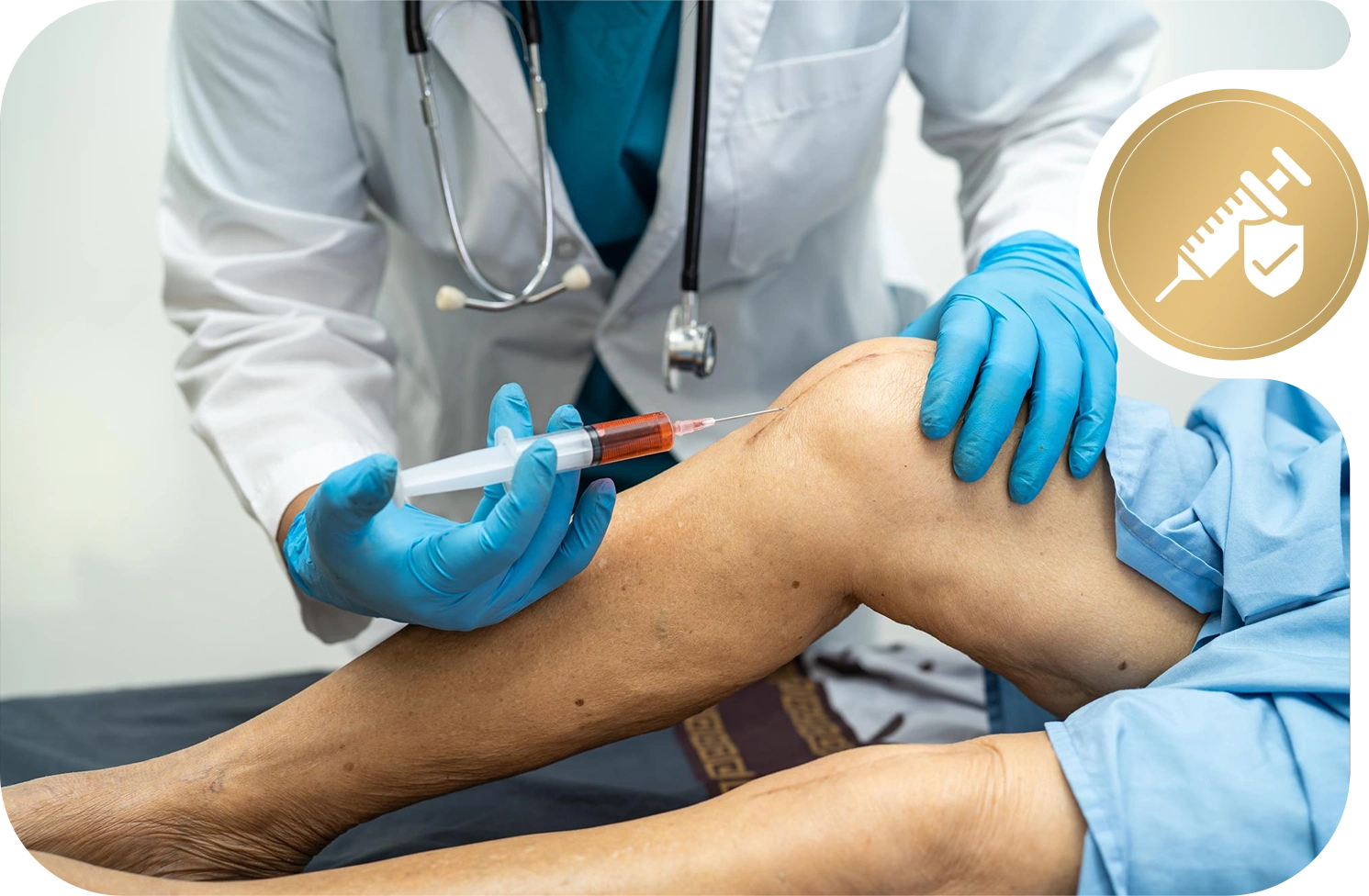
Advancements in regenerative medicine have turned stem cell science into a viable option for individuals seeking personalized, non-surgical solutions to musculoskeletal pain and degenerative conditions. A thorough stem cell consultation serves as the cornerstone of this approach, allowing clinicians to assess medical history, imaging, and functional goals before crafting a treatment plan that aligns with each patient’s unique biology. By integrating diagnostic precision with cutting-edge cellular therapies, patients can achieve faster recovery, reduced inflammation, and long-term joint health without the uncertainties of generic protocols.
Why a Tailored Consultation Matters
Every patient presents a distinct set of variables, age, activity level, comorbidities, and the specific tissue involved. A one-size-fits-all regimen often leads to suboptimal outcomes, whereas a customized plan offers:
- Accurate identification of the most appropriate stem cell source (autologous vs. allogeneic).
- Selection of delivery method, whether intra-articular injection, direct tissue implantation, or systemic infusion.
- Optimization of dosage and frequency based on regenerative potential and patient tolerance.
- Integration of adjunctive therapies such as PRP, physical rehabilitation, or nutritional support.
Key Components of the Consultation Process
1. Comprehensive Medical Review
The clinician begins with a detailed review of the patient’s health records, focusing on prior injuries, surgeries, and current medications. This step ensures that any contraindications, such as active infections or uncontrolled autoimmune disease, are identified early.
2. Advanced Imaging and Functional Testing
High-resolution MRI or ultrasound scans provide visual confirmation of cartilage loss, tendon degeneration, or bone marrow lesions. Coupled with functional assessments (range of motion, gait analysis, strength testing), these data points create a precise map of the affected area.
3. Discussion of Goals and Expectations
Patients are guided to articulate realistic outcomes, whether the aim is pain reduction, improved mobility, or return to high-impact sports. Aligning expectations with the science of regenerative medicine helps prevent disappointment and encourages adherence to post-procedure protocols.
Designing the Personalized Treatment Plan
Once the evaluation is complete, the specialist crafts a regimen that may incorporate one or more of the following modalities:
- Targeted stem cell injections: Direct delivery of concentrated stem cells into the joint space or tendon sheath to stimulate native repair mechanisms.
- Cellular therapy orthopedic Miami protocols: Combination treatments that pair stem cells with scaffolds or growth factors for enhanced tissue engineering.
- Systemic infusion: Intravenous administration for widespread inflammatory modulation, often used when multiple joints are involved.
- Adjunct regenerative agents: Platelet-rich plasma (PRP) or hyaluronic acid to create a supportive environment for cellular engraftment.
Each element is selected based on the patient’s specific pathology and lifestyle demands, ensuring the plan is both effective and sustainable.
Choosing the Right Expertise
Because stem cell interventions require precise technique and deep understanding of cellular biology, consulting a stem cell treatment specialist is essential. Professionals who regularly perform stem cell injections stay current with evolving protocols, regulatory standards, and outcome tracking methodologies.
For those residing in South Florida, the region hosts several board-certified stem cell doctors Miami who specialize in orthopedic regeneration. Their experience with local patient populations contributes to nuanced treatment adaptations that consider climate-related activity patterns and common sports injuries in the area.
What to Expect During the Consultation
The appointment typically follows a structured agenda:
- Initial intake – Completion of health questionnaires and consent forms.
- Diagnostic review – Discussion of imaging findings and functional test results.
- Education session – Explanation of stem cell biology, potential benefits, and possible risks.
- Plan proposal – Presentation of a customized protocol, including timeline, number of visits, and post-procedure care.
- Q&A – Opportunity for the patient to address concerns and clarify logistics.
Post-Consultation Follow-Up
Effective regenerative outcomes rely on diligent follow-up. Typical post-procedure steps include:
- Scheduled imaging at 4-6 weeks to assess early tissue response.
- Physical therapy tailored to the treated area, focusing on gradual load progression.
- Periodic reassessment visits to adjust the treatment plan if needed.
Finding a Convenient Location
Patients searching for “stem cell therapy near me” often discover clinics that combine state-of-the-art laboratory facilities with comfortable clinical suites. Proximity reduces travel stress and enables timely follow-up, which is especially valuable for athletes or individuals with busy schedules.
Conclusion
A meticulous stem cell consultation transforms a generic idea of regenerative medicine into a concrete, patient-centric pathway. By leveraging detailed diagnostics, expert interpretation, and individualized protocol design, the process maximizes the therapeutic potential of stem cells while aligning with each person’s functional goals. For anyone considering regenerative options for joint pain, tendon degeneration, or early osteoarthritis, investing time in a comprehensive consultation is the most reliable step toward a successful, personalized treatment journey.