Elevate Your Wine Tasting Experience with Boutique Wines
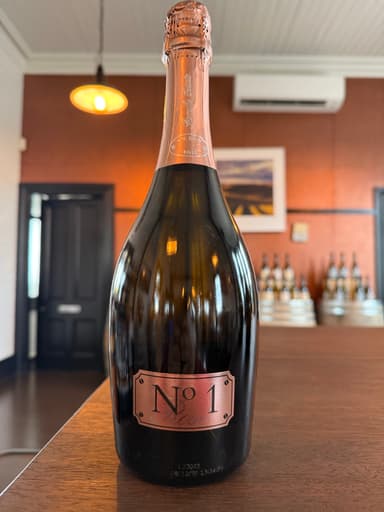
Wine tasting is more than a casual sip; it is an immersive sensory journey that can be elevated through thoughtful selection, preparation, and presentation. Boutique wines, crafted in limited quantities with meticulous attention to terroir, varietal expression, and winemaking technique, offer a distinct advantage for those seeking depth and nuance. By focusing on the unique characteristics of these small-batch productions, enthusiasts can transform a simple tasting into a refined experience that celebrates both the art and science of wine.
Understanding Boutique Wines
Unlike mass-produced wines, boutique wines originate from vineyards that prioritize quality over volume. This approach results in several notable features:
- Limited Production: Smaller yields allow winemakers to monitor each vine and grape cluster closely.
- Terroir Expression: The specific soil, climate, and topography of a vineyard are reflected more clearly in the final product.
- Innovative Techniques: Winemakers often experiment with fermentation, aging vessels, and blending to create distinctive profiles.
- Personal Storytelling: Each bottle frequently carries a narrative about the people and place behind it.
For a deeper dive into the philosophy behind boutique winemaking, Read more about this topic.
Preparing the Ideal Tasting Environment
Setting the Scene
A well-curated environment enhances perception and focus. Consider the following elements:
- Lighting: Soft, natural light reveals true color without distortion.
- Temperature Control: Serve whites and ros??s at 8-12??C (46-54??F) and reds at 14-18??C (57-64??F).
- Noise Level: A quiet space allows the palate to detect subtle aromas.
- Glassware: Choose tulip-shaped glasses that concentrate volatiles and guide the wine to the appropriate part of the tongue.
Guidelines on optimal tasting conditions are explored further in Learn more in this detailed guide.
Preparing the Palate
Neutralizing the palate before each tasting ensures unbiased evaluation. Effective practices include:
- Drinking a glass of still water.
- Eating a plain cracker or slice of bread.
- Avoiding strong flavors (e.g., coffee, garlic) for at least 30 minutes prior.
Structured Tasting Approach
Adopting a systematic method helps capture the full spectrum of a wine’s character. The classic four-step process, visual, olfactory, gustatory, and reflective, remains a reliable framework.
1. Visual Examination
- Observe color intensity and hue; these can indicate age and grape variety.
- Swirl gently to assess viscosity (tears) which hints at alcohol and sugar levels.
2. Olfactory Assessment
Take three short sniffs, then a deeper inhale, noting primary aromas (fruit, floral) and secondary notes (oak, spice). A well-trained nose can differentiate between subtle nuances such as blackcurrant versus blackberry, or vanilla versus cedar.
3. Gustatory Evaluation
- Attack: First impression of acidity, sweetness, and tannin.
- Mid-Palate: Development of flavors, body, and texture.
- Finish: Length of aftertaste and lingering aromas.
4. Reflective Summary
Record observations in a tasting journal, noting personal impressions and any contextual factors (e.g., weather, food pairing). This practice sharpens future assessments and builds a personal reference library.
For additional tips on documenting tastings, Explore further insights here.
Enhancing the Experience with Food Pairings
Strategic food pairings can amplify both the wine and the dish. Boutique wines, with their nuanced profiles, often respond beautifully to carefully selected accompaniments.
- Acidity Matching: High-acid whites pair well with citrus-based dishes or goat cheese.
- Tannin Balance: Firm tannic reds complement fatty proteins such as steak or aged cheese.
- Flavor Echoing: Earthy Pinot Noir aligns with mushroom risotto, while aromatic Riesling enhances spicy Asian cuisine.
Discover comprehensive pairing principles at Find additional information here.
Storing Boutique Wines for Longevity
Proper storage preserves the integrity of boutique wines, many of which are crafted for aging.
- Temperature Stability: Maintain a constant 12-14??C (55-57??F).
- Humidity Control: Aim for 70% relative humidity to keep corks supple.
- Light Protection: Store away from UV exposure to prevent premature oxidation.
- Vibration Minimization: Use a quiet cellar or dedicated wine refrigerator.
Detailed storage recommendations can be found in Read more about this topic.
Conclusion
Elevating a wine tasting experience with boutique wines involves a blend of thoughtful selection, meticulous preparation, and disciplined evaluation. By understanding the unique attributes of small-batch wines, creating an optimal tasting environment, applying a structured sensory approach, and pairing thoughtfully with food, enthusiasts can unlock layers of complexity that mass-produced alternatives often overlook. Consistent practice and careful record-keeping not only enhance personal enjoyment but also deepen appreciation for the craftsmanship behind each bottle.