Brighten Your Look with Botox for Eyes: A Complete Guide
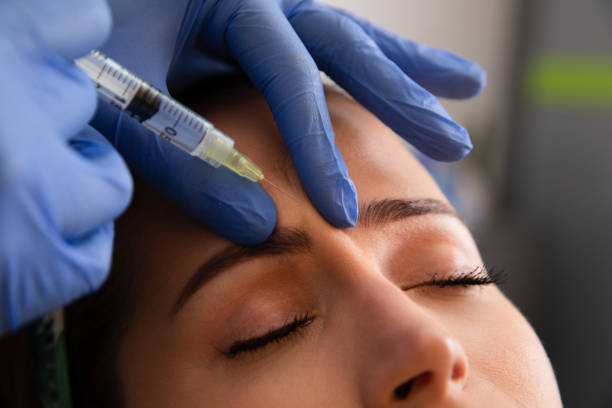
In the quest for youthful and vibrant eyes, Botox has emerged as a trusted ally. This non-invasive treatment offers a solution to those looking to reduce the appearance of wrinkles and fine lines around the eyes. By temporarily relaxing the muscles responsible for crow’s feet and other signs of aging, Botox can help individuals achieve a refreshed and more youthful appearance. This guide delves into the benefits, process, and considerations for using Botox specifically around the eyes, providing comprehensive insights for those contemplating this rejuvenating procedure.
Understanding Botox for Eyes
Botox, a form of botulinum toxin, works by blocking nerve signals in the muscles where it is injected. This results in temporary muscle relaxation, which smooths out wrinkles and lines. When applied around the eyes, Botox targets specific areas to enhance the overall appearance and vitality of this sensitive region.
Benefits of Botox for Eyes
- Reduces the appearance of crow’s feet and other fine lines.
- Provides a subtle lift to the eyebrows, enhancing eye shape.
- Quick procedure with minimal downtime.
- Results can last up to three to six months.
The Botox Procedure for Eyes
What to Expect
The procedure begins with a consultation to discuss desired outcomes. During the treatment, a small needle is used to inject Botox into targeted muscles around the eyes. This typically takes 10-15 minutes and involves minimal discomfort.
Post-Treatment Care
- Avoid rubbing or massaging the treated area for at least 24 hours.
- Refrain from vigorous exercise immediately after the procedure.
- Stay upright for a few hours post-treatment to prevent the spread of Botox to unintended areas.
Considerations and Risks
While Botox is generally safe, it is essential to consider potential risks and side effects. Some individuals may experience temporary bruising, swelling, or redness at the injection site. Rarely, there can be complications such as drooping eyelids or asymmetry, which underscore the importance of choosing a qualified professional.
Who Should Avoid Botox?
- Individuals with neurological disorders.
- Pregnant or breastfeeding women.
- Those allergic to any ingredients in the Botox formulation.
Exploring Additional Botox Treatments
Beyond the eyes, Botox can be used for a variety of aesthetic enhancements. Treatments such as Botox forehead and Botox full face provide comprehensive rejuvenation, targeting multiple areas for a cohesive look. Additionally, the Lip flip technique offers subtle enhancement to lip shape and fullness.
For those considering Botox, consulting with a specialized professional is crucial to tailor the treatment to individual needs and achieve optimal results. With careful planning and execution, Botox for eyes can significantly enhance your appearance, offering a refreshed and youthful look.