Expert Wildlife Management Services in Chicago
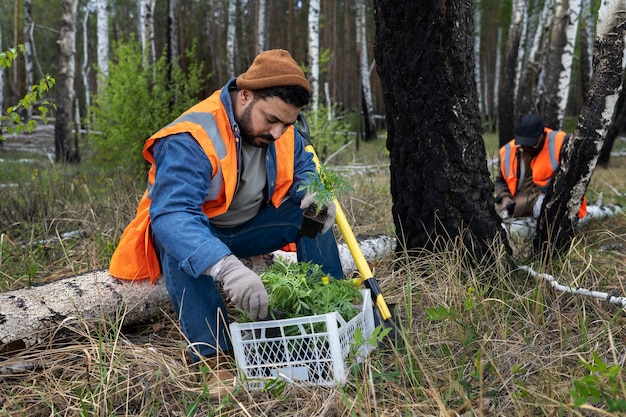
Wildlife management in Chicago plays a crucial role in maintaining the delicate balance between urban development and natural ecosystems. With the city’s diverse wildlife ranging from birds and mammals to reptiles and amphibians, expert management services are essential to ensure coexistence and environmental sustainability. Addressing challenges such as habitat loss, human-wildlife conflict, and the effects of urbanization requires a deep understanding of ecological principles and strategic intervention.
Understanding Wildlife Management
Wildlife management involves the application of ecological knowledge to populations of vertebrate animals and their plant and animal associates to achieve a balance that is both ecologically and economically viable. In urban settings like Chicago, this involves:
- Monitoring and managing wildlife populations to prevent overpopulation or extinction.
- Implementing conservation strategies to protect endangered species.
- Developing policies that reduce human-wildlife conflicts.
- Rehabilitating and restoring natural habitats affected by human activities.
For more information on these strategies, discover expert strategies here.
Challenges in Urban Wildlife Management
Human-Wildlife Conflicts
Human-wildlife conflict is a significant challenge in urban areas. As cities expand, wildlife habitats shrink, leading to increased interactions between humans and animals. In Chicago, this can manifest as:
- Wild animals foraging in urban trash bins, leading to public health concerns.
- Encounters between residents and potentially dangerous animals like coyotes.
- Damage to property and landscapes from animals such as deer and beavers.
To address these issues, it is essential to learn about our tailored solutions for conflict mitigation.
Habitat Degradation and Loss
Habitat loss due to urban development poses a significant threat to wildlife. This not only reduces the available living space for animals but also disrupts their natural behaviors and breeding patterns. Effective management strategies include:
- Creating green spaces and corridors to connect fragmented habitats.
- Promoting urban planning that incorporates wildlife-friendly practices.
- Engaging community participation in conservation efforts.
Find out more about this approach by visiting this page.
Innovative Solutions and Best Practices
Technology and Data Analysis
Advanced technology plays a pivotal role in modern wildlife management. By utilizing tools such as GPS tracking, remote sensing, and data analytics, experts can:
- Monitor wildlife movements and behaviors in real-time.
- Predict potential human-wildlife conflict zones.
- Assess the health and population dynamics of species.
Explore advanced guides and tips on implementing these technologies here.
Community Engagement and Education
Educating the public about the importance of wildlife management is crucial for fostering a culture of coexistence. Effective community engagement strategies include:
- Workshops and seminars on urban wildlife conservation.
- Volunteer programs for habitat restoration and species monitoring.
- Public awareness campaigns on the benefits of biodiversity.
To understand more about community initiatives, find detailed information here.
Conclusion
Navigating the challenges of wildlife management in an urban environment like Chicago requires a comprehensive approach that combines science, technology, and community involvement. By employing strategic interventions, promoting sustainable urban development, and educating the public, it is possible to achieve a harmonious coexistence with wildlife. For further insights into effective wildlife management practices, consider visiting this site frequently.