Exploring Marine Wet Exhaust Systems
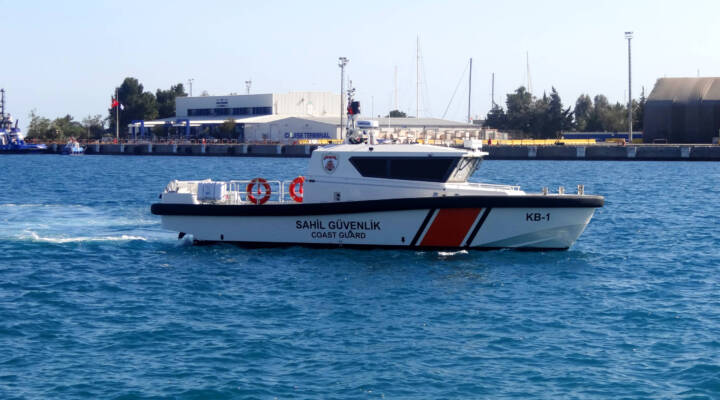
Marine wet exhaust systems play a crucial role in the functioning of marine vessels by expelling exhaust gases safely and efficiently from the engine. These systems are specifically designed to mix water with exhaust gases to cool them down before they are released into the environment. This cooling process is essential for reducing the temperature of the gases, which, if left uncooled, could damage the vessel’s components and pose safety risks to those on board. Understanding the components, functioning, and benefits of marine wet exhaust systems is vital for marine engineers, vessel operators, and enthusiasts alike.
Components of a Marine Wet Exhaust System
A marine wet exhaust system is composed of several key components, each playing a vital role in ensuring the effective dispersal of exhaust gases:
- Exhaust Manifold: Collects exhaust gases from the engine cylinders and directs them into the exhaust system.
- Mixer: Combines cooling water with the exhaust gases to reduce their temperature.
- Exhaust Hose: Flexible piping that carries the cooled gases away from the engine and out of the vessel.
- Waterlock: Prevents seawater from flowing back into the engine, protecting it from potential water damage.
- Muffler: Reduces the noise produced by the exhaust gases, ensuring a quieter operation.
- Exhaust Outlet: The final point of exit for the cooled exhaust gases from the vessel.
Read more about this topic and discover more components involved in marine exhaust systems by visiting the detailed guide here.
Functionality of Marine Wet Exhaust Systems
Marine wet exhaust systems serve multiple functions, primarily aimed at ensuring safety and efficiency in marine operations:
Cooling
The primary function of these systems is to cool down the exhaust gases. By mixing them with water, the temperature is significantly reduced, preventing the risk of damage to the exhaust components and surrounding structures. This cooling also minimizes the risk of fire hazards onboard.
Noise Reduction
Another vital function is noise reduction. The use of a muffler in the system helps dampen the noise generated by the exhaust gases, contributing to a more comfortable environment for passengers and crew.
Environmental Protection
By efficiently cooling and expelling exhaust gases, wet exhaust systems help minimize the environmental impact of marine vessels. This aligns with global efforts to reduce pollution and promote sustainable marine practices. Explore further insights here about the environmental benefits of wet exhaust systems.
Benefits of Marine Wet Exhaust Systems
Adopting marine wet exhaust systems offers numerous benefits:
- Enhanced Safety: By cooling exhaust gases, these systems reduce the risk of fire hazards and protect onboard personnel.
- Prolonged Equipment Life: The lowered temperatures extend the lifespan of exhaust components by reducing wear and tear.
- Improved Comfort: Noise reduction ensures a more pleasant environment for those onboard.
- Environmental Compliance: These systems support compliance with environmental regulations by minimizing emissions.
Find additional information here to understand how marine wet exhaust systems contribute to safer and more efficient marine operations: Learn more.
Considerations for Installation and Maintenance
Proper installation and maintenance are crucial for the optimal performance of marine wet exhaust systems:
- Installation: Ensure that all components are correctly aligned and securely fitted. Professional installation is recommended to prevent leaks and inefficiencies.
- Regular Maintenance: Regular inspections and maintenance are necessary to detect and resolve potential issues before they escalate.
- Component Replacement: Over time, components such as hoses and waterlocks may require replacement to maintain system integrity.
For comprehensive guidance on installation and maintenance, explore further insights here.
In conclusion, marine wet exhaust systems are indispensable for the safe and efficient operation of marine vessels. By understanding their components, functionality, and benefits, stakeholders in the marine industry can make informed decisions that support both operational excellence and environmental responsibility.

