Exploring the Benefits of Genicular Artery Embolization
In recent years, medical advancements have paved the way for innovative treatment options that offer relief from chronic conditions with minimal invasiveness. One such breakthrough is Genicular Artery Embolization (GAE), a procedure that is gaining recognition for its effectiveness in managing knee pain. As the prevalence of osteoarthritis and other degenerative joint diseases continues to rise, understanding the benefits of GAE becomes increasingly important. This article delves into the advantages of this procedure and its role in the future of pain management.
What is Genicular Artery Embolization?
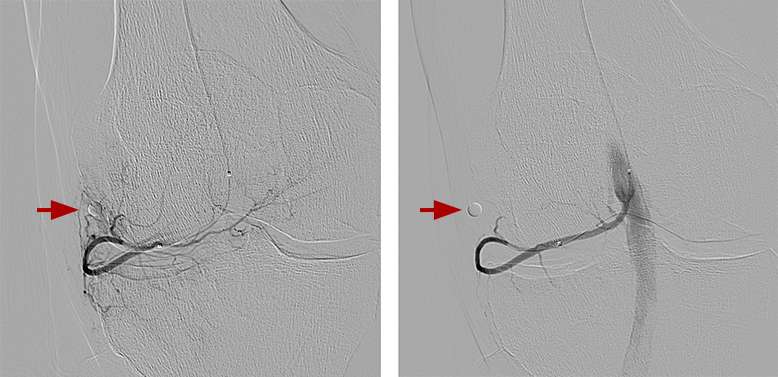
Genicular Artery Embolization is a minimally invasive procedure designed to relieve knee pain, particularly in individuals suffering from osteoarthritis. The procedure involves the targeted blocking of specific blood vessels that supply the inflamed areas in the knee. By reducing blood flow to these areas, the procedure helps decrease inflammation and alleviate pain.
Key Benefits of Genicular Artery Embolization
The GAE procedure offers several advantages, which include:
- Minimally invasive nature with no surgical incisions.
- Reduced recovery time compared to traditional knee surgery.
- Significant pain relief reported by patients post-procedure.
- Low risk of complications and shorter hospital stays.
- Potential to delay or avoid knee replacement surgery.
How Does the Procedure Work?
During a Genicular Artery Embolization, a small catheter is inserted into the genicular arteries under imaging guidance. Tiny particles are then released to block these arteries, effectively reducing the blood supply to the inflamed areas of the knee. This reduction in blood flow leads to decreased inflammation and pain relief.
Who Can Benefit from GAE?
GAE is particularly beneficial for:
- Patients with moderate to severe knee osteoarthritis who are seeking alternatives to surgery.
- Individuals who have not found adequate relief from conventional treatments such as medications and physical therapy.
- Patients who are not ideal candidates for surgical interventions due to other health complications.
It is crucial for potential candidates to discuss with a healthcare provider to determine if GAE is suitable for their specific condition.
Conclusion
Genicular Artery Embolization represents a promising advancement in the field of pain management, offering a viable alternative to more invasive surgical procedures. As more research and clinical trials continue to validate its efficacy and safety, GAE is poised to become a standard option for knee pain relief. For individuals dealing with chronic knee pain, discussing this procedure with a medical professional can provide new avenues for improved quality of life.