How to Choose the Best Kiln Paper for Your Projects
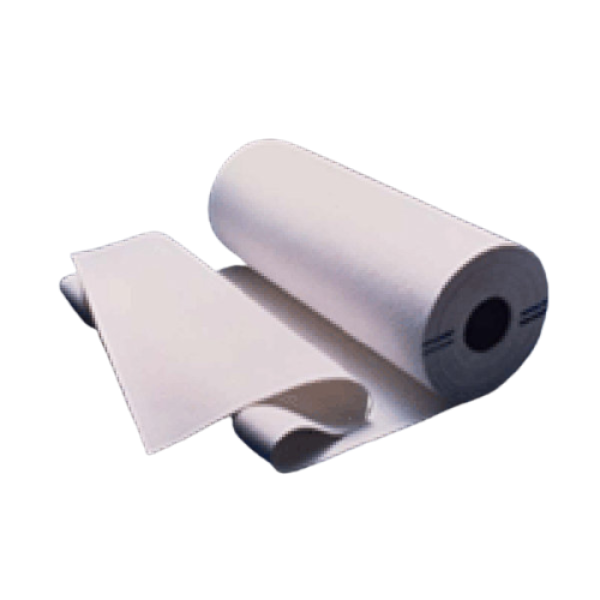
Selecting the right kiln paper is crucial for achieving optimal results in glass fusing and ceramic projects. With a vast array of kiln paper options available, making an informed choice can be daunting. The right kiln paper can prevent your creations from sticking to the kiln shelf, ensure a smooth surface finish, and protect your kiln investment. This guide outlines key considerations and expert tips to help you select the best kiln paper tailored to your project needs.
Understanding Kiln Paper
Kiln paper, also known as kiln shelf paper or fiber paper, is a heat-resistant, non-stick sheet placed between the kiln shelf and your project. Its primary function is to prevent glass or glaze from adhering to the kiln shelf during the firing process. Understanding the different types of kiln papers and their properties can significantly impact the quality of your work.
Types of Kiln Paper
- Standard Kiln Paper: Ideal for glass fusing, this paper is designed to withstand high temperatures, leaving a smooth finish on the back of the glass.
- Fiber Paper: Known for its ability to create texture, fiber paper can be used for creating detailed impressions on glass surfaces.
- Thinfire Paper: A thinner option that reduces post-firing clean-up, particularly beneficial for delicate glass projects.
Key Factors to Consider
When selecting kiln paper, consider the following factors to ensure it meets the specific requirements of your project:
Project Type
The type of project often dictates the type of kiln paper required. For instance, intricate designs may benefit from thinner kiln papers to minimize texture transfer, while projects requiring texture can leverage thicker fiber papers. Discover expert strategies here to choose the best option based on your project type.
Temperature Range
Ensure the kiln paper can withstand the firing temperatures required for your project. Each type of kiln paper has a specific temperature range, and using the wrong type can result in paper breakdown or project damage. Explore advanced guides and tips on the temperature tolerance of different kiln papers.
Surface Finish
The desired finish on your project will also influence your choice of kiln paper. Standard kiln papers usually provide a smooth finish, whereas fiber papers can leave a textured surface. Find out more about this approach to achieve the perfect surface finish.
Maintaining and Storing Kiln Paper
Proper maintenance and storage of kiln paper can prolong its shelf life and maintain its effectiveness.
Storage Tips
- Store kiln paper in a cool, dry place to prevent moisture absorption.
- Keep it flat or rolled to avoid creasing, which can affect the finish of your project.
Usage Tips
- Cut kiln paper to fit your kiln shelf precisely to prevent waste and ensure maximum coverage.
- Handle with care to avoid tearing or damaging the paper before use.
For more insights on maintaining and storing kiln paper, learn about our tailored solutions to keep your materials in optimal condition.
Conclusion
Choosing the right kiln paper can make a significant difference in the outcome of your glass or ceramic projects. By considering the project type, temperature range, and desired surface finish, and following proper maintenance techniques, you can ensure the success and longevity of your creations. For further information and expert advice, explore advanced guides and tips to enhance your kiln paper selection process.

