Maximizing Sound Quality with an Acoustic Wood Ceiling
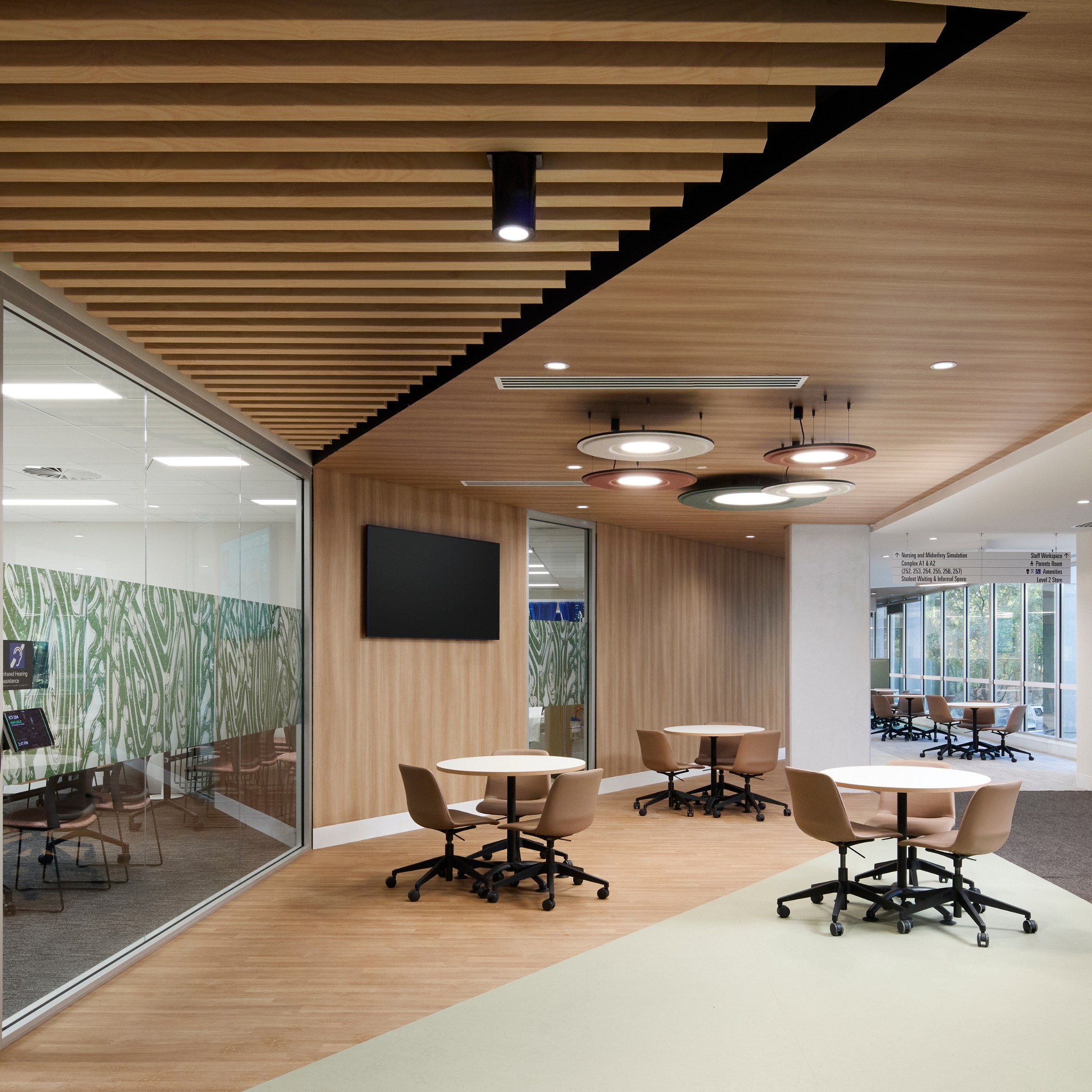
In the realm of architectural design and interior acoustics, the importance of sound management cannot be understated. As environments evolve to accommodate multifunctional activities, the demand for acoustic solutions that are both effective and aesthetically pleasing is on the rise. One such solution gaining traction is the acoustic wood ceiling. This innovation not only enhances sound quality but also introduces an element of sophistication and warmth to spaces.
Understanding Acoustic Wood Ceilings
Acoustic wood ceilings are designed to absorb sound waves, reducing noise levels and improving audio clarity in a given space. These ceilings are crafted from wood panels that are engineered to perform acoustically, making them a popular choice for spaces where sound quality is paramount, such as auditoriums, conference rooms, and open-plan offices.
Key Features
- Sound Absorption: The primary function of an acoustic wood ceiling is to absorb sound, minimizing echo and reverberation.
- Design Flexibility: Available in various finishes and styles, these ceilings can be customized to complement any interior design.
- Sustainability: Often made from sustainably sourced materials, they contribute to environmentally friendly construction practices.
- Durability: Wood is a robust material that offers long-lasting performance, even in high-traffic areas.
Benefits of Acoustic Wood Ceilings
Choosing an acoustic wood ceiling offers several advantages beyond sound quality enhancement. Here are some key benefits:
Improved Aesthetic Appeal
Wood ceilings provide a natural and timeless look that can enhance the visual appeal of any space. Their ability to be customized in terms of color, texture, and design means they can seamlessly integrate into various architectural styles, from contemporary to traditional.
Enhanced Acoustic Performance
- Clarity of Sound: By absorbing excess noise, these ceilings ensure that speech and music are delivered with clarity.
- Comfortable Environments: Reduced noise levels contribute to a more comfortable and productive environment for occupants.
- Privacy: Enhanced sound absorption can prevent sound from traveling between rooms, improving privacy.
Applications of Acoustic Wood Ceilings
Acoustic wood ceilings are versatile and can be implemented across various settings. Here are some common applications:
Commercial Spaces
In offices, sound management is crucial for maintaining concentration and productivity. Acoustic wood ceilings help mitigate the noise from conversations, phones, and other office equipment, creating a conducive working environment.
Educational Institutions
Schools and universities benefit significantly from improved acoustics. Classrooms, lecture halls, and auditoriums with acoustic wood ceilings ensure clear communication and effective learning by reducing background noise and echo.
Hospitality Environments
Restaurants, hotels, and event spaces require a balance between vibrant atmospheres and comfortable sound levels. Acoustic wood ceilings contribute to creating an inviting ambiance while controlling noise levels.
Conclusion
Incorporating an acoustic wood ceiling into a building’s design can profoundly impact both the auditory and visual experience of a space. By effectively managing sound, these ceilings ensure environments remain comfortable and functional while adding a touch of elegance. As the need for sophisticated acoustic solutions continues to grow, acoustic wood ceilings stand out as a practical and stylish choice for various applications. For more information on how these ceilings can enhance your space, consider exploring the benefits of an acoustic wood ceiling.