Optimizing Performance with Engine Room Ventilation
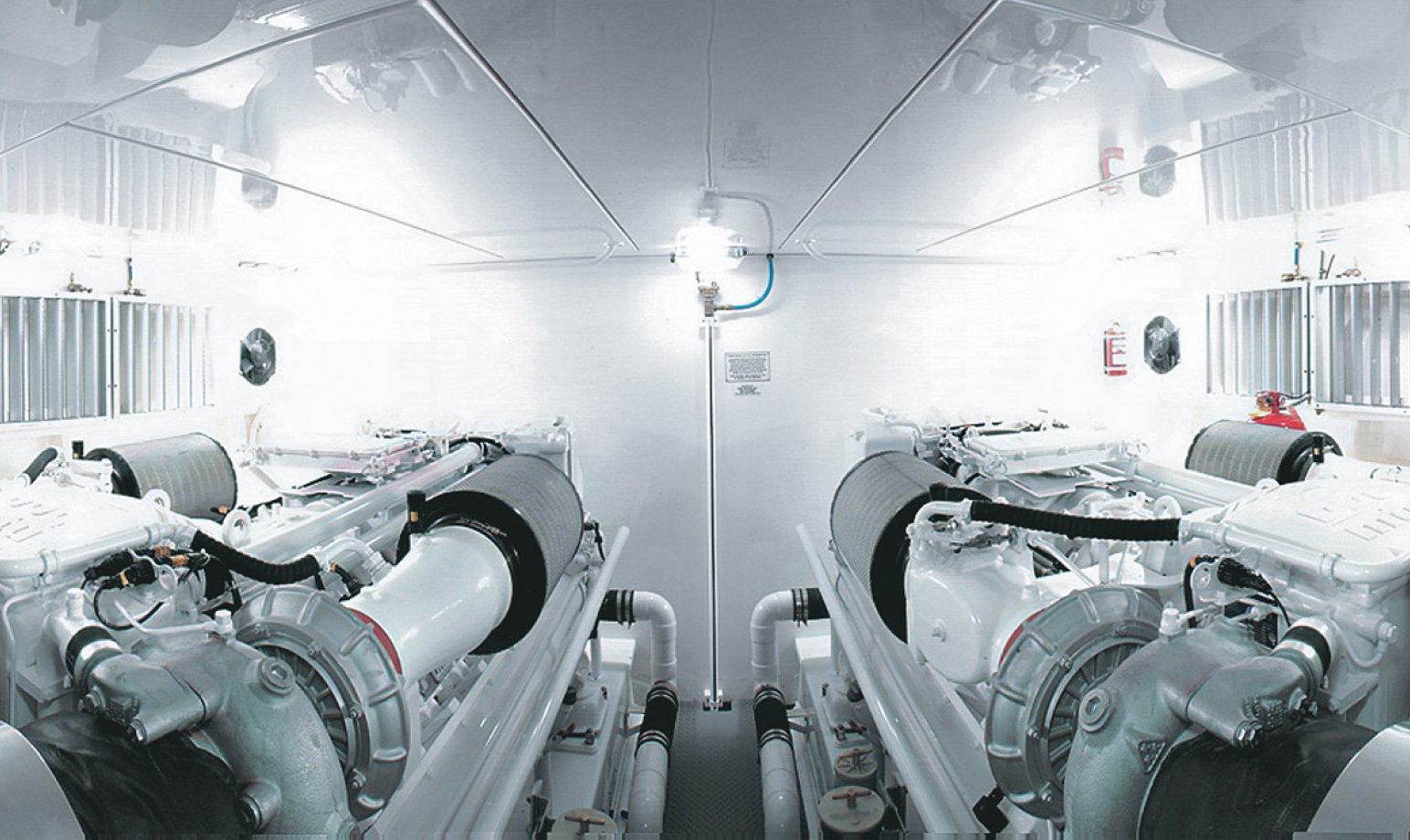
Effective engine room ventilation is paramount for optimizing the performance and safety of marine vessels. A well-ventilated engine room not only enhances the efficiency of the engines but also prolongs their lifespan by maintaining appropriate temperature levels and reducing the risk of overheating. The design and implementation of an optimal engine room ventilation system can make a significant difference in overall vessel performance. This article explores the key aspects that contribute to efficient engine room ventilation and how it impacts the performance of marine engines.
Importance of Engine Room Ventilation
Engine room ventilation plays a crucial role in maintaining the operational integrity and efficiency of marine engines. Without adequate ventilation, the engine room can become a confined space with excessive heat, humidity, and harmful gases. The following points highlight the importance of proper ventilation:
- Temperature Regulation: By managing heat levels, ventilation prevents engine components from overheating, ensuring smooth operation.
- Air Quality: Adequate ventilation ensures the removal of harmful exhaust gases, maintaining a safe environment for both the crew and the machinery.
- Efficiency Maintenance: Proper airflow can enhance combustion efficiency, leading to better fuel economy and reduced emissions.
Components of an Effective Ventilation System
Designing an effective engine room ventilation system involves several critical components that work together to ensure optimal performance. These components include:
Air Intakes and Exhausts
Air intakes should be strategically placed to draw in fresh air while exhausts efficiently remove hot air and gases. The positioning and size of these elements are vital to maximizing airflow and minimizing resistance.
Ventilation Fans
High-performance fans are essential in facilitating the movement of air within the engine room. They help distribute air evenly and are particularly important in larger vessels where natural airflow may be insufficient.
Temperature and Humidity Control Systems
Advanced systems that monitor and adjust the temperature and humidity levels in the engine room are crucial. These systems ensure that environmental conditions remain within optimal ranges for engine performance and safety.
Best Practices for Optimizing Ventilation
To achieve the best results in engine room ventilation, several best practices should be followed:
- Regular Maintenance: Routine checks and maintenance of the ventilation system ensure that all components are functioning optimally.
- System Upgrades: Investing in modern ventilation technologies can significantly improve efficiency and effectiveness.
- Professional Assessment: Engaging specialists to assess the ventilation needs of a specific vessel can lead to tailored solutions that enhance performance.
Impact on Engine Performance
The performance of an engine is directly linked to the quality of its environment. An optimized engine room ventilation system ensures that:
- Engines operate within their ideal temperature range, reducing wear and tear on components.
- Fuel consumption is optimized, leading to cost savings and reduced environmental impact.
- Overall vessel safety is enhanced due to reduced risks of fire or system failure.
In summary, efficient engine room ventilation is a critical factor in maintaining the reliability and efficiency of marine vessels. By implementing the right ventilation strategies and maintaining them diligently, vessel operators can significantly enhance engine performance and longevity.