Organic Mimosa Bark: A Sustainable Option for Soap Making
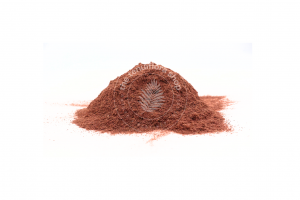
In the realm of sustainable soap making, the demand for organic and eco-friendly ingredients continues to rise. Among these, organic mimosa bark is gaining attention for its potential to enhance soap formulations. Sourced from the bark of the Mimosa tenuiflora tree, this natural ingredient is celebrated for its sustainable properties and myriad benefits. The following sections delve into the advantages of using organic mimosa bark in soap making, highlighting its environmental benefits and practical applications.
The Benefits of Organic Mimosa Bark
Organic mimosa bark offers several distinct benefits that make it an attractive option for soap makers who prioritize sustainability and quality. Here are some of its key advantages:
- Natural Astringent Properties: Mimosa bark is known for its astringent qualities, which can help tighten and tone the skin.
- Antioxidant Rich: Packed with antioxidants, mimosa bark helps combat free radicals, promoting healthier skin.
- Healing and Soothing: Its healing properties make it ideal for soothing irritated skin and reducing inflammation.
- Biodegradable and Eco-friendly: As a natural product, it is biodegradable, contributing to reducing environmental impact.
Sustainable Sourcing and Environmental Impact
The sourcing of organic mimosa bark is an important aspect that underscores its sustainability. The bark is harvested from the Mimosa tenuiflora, a tree native to regions such as Brazil and Mexico. Proper harvesting practices ensure that the tree is not damaged, allowing it to continue growing and contributing to the local ecosystem. Such sustainable practices are crucial for maintaining biodiversity and supporting local communities.
Incorporating organic mimosa bark into soap making aligns with eco-friendly initiatives aimed at reducing reliance on synthetic ingredients. For more insights into sustainable sourcing and environmentally friendly practices, discover expert strategies here.
Applications in Soap Making
Formulation and Benefits
When used in soap formulations, organic mimosa bark can enhance the product’s overall quality. Its natural properties can contribute to a more luxurious lather and improve the soap’s cleansing abilities. Additionally, it imparts a subtle, earthy aroma that enhances the soap’s sensory appeal.
Incorporating Mimosa Bark into Soap Recipes
For soap makers interested in integrating organic mimosa bark into their recipes, there are several methods to explore:
- Infusions: Create an infusion by soaking the bark in a carrier oil or water, which can then be incorporated into the soap base.
- Powdered Form: Use powdered mimosa bark for a smoother texture and even distribution within the soap.
- Blending with Other Botanicals: Combine with other organic ingredients to enhance the soap’s benefits and fragrance.
For detailed guidance on incorporating mimosa bark effectively into soap formulations, learn about our tailored solutions.
Conclusion
Organic mimosa bark presents a compelling case for inclusion in sustainable soap making. Its beneficial properties, combined with environmentally conscious sourcing, make it a desirable choice for those seeking to create high-quality, eco-friendly products. As the interest in natural ingredients continues to grow, soap makers can explore advanced guides and tips to fully integrate this versatile ingredient into their formulations.
Embracing organic mimosa bark is more than just a trend; it is a step towards more responsible and sustainable soap making. By prioritizing natural ingredients, the industry can contribute to a healthier planet while offering consumers products that align with their values. Find out more about this approach and discover how to incorporate sustainable practices into soap making endeavors.