Osteopathic Techniques for Treating Sports Injuries
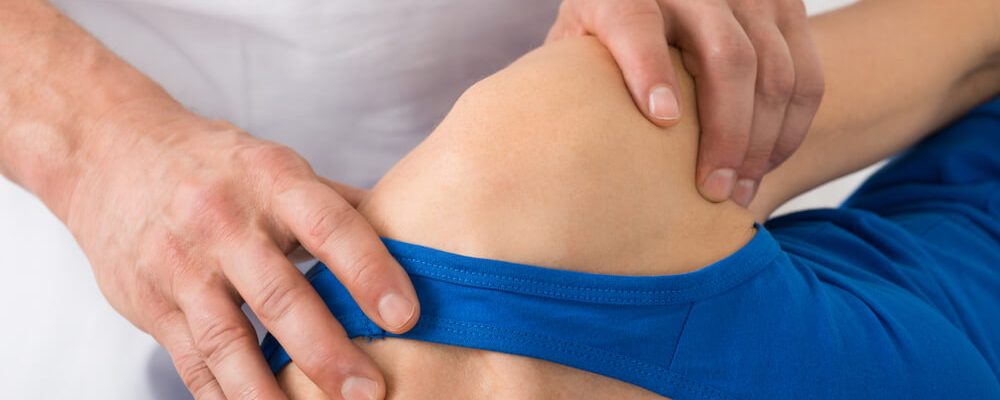
Sports injuries are a common challenge faced by both professional athletes and fitness enthusiasts. These injuries can range from mild sprains to severe muscle tears, impacting performance and overall well-being. Osteopathy, with its holistic approach, offers effective techniques for treating sports injuries. By focusing on the musculoskeletal system, osteopathy aims to restore balance and mobility, reducing pain and enhancing recovery. This article explores various osteopathic methods used to address sports injuries and how they can be integrated into a comprehensive treatment plan.
Understanding Osteopathy
Osteopathy is a manual therapy that emphasizes the relationship between the body’s structure and function. It employs a range of techniques to diagnose and treat dysfunctions, offering a non-invasive solution for injury management. The principles of osteopathy are based on the body’s natural ability to heal, making it a suitable choice for treating sports-related injuries. Find out more about this approach.
Common Osteopathic Techniques for Sports Injuries
Soft Tissue Manipulation
This technique involves the application of gentle pressure and stretching to the muscles and fascia. Soft tissue manipulation:
- Reduces muscle tension
- Improves blood circulation
- Facilitates lymphatic drainage
- Enhances flexibility and range of motion
By addressing muscle imbalances and tension, this technique aids in faster recovery and prevents further injuries.
Articulatory Techniques
Articulatory techniques involve the repetitive movement of joints through their range of motion to improve mobility and function. Benefits include:
- Restoring joint mobility
- Reducing pain and stiffness
- Enhancing synovial fluid production
These techniques are particularly useful for athletes recovering from joint injuries or experiencing chronic joint pain. Discover expert strategies here.
High-Velocity, Low-Amplitude (HVLA) Thrusts
HVLA thrusts are quick, corrective maneuvers applied to specific joints to restore alignment and improve function. This technique:
- Relieves joint restrictions
- Reduces pain and muscle tightness
- Improves overall joint function
While highly effective, HVLA thrusts should only be performed by trained osteopaths to ensure safety and efficacy.
Integrating Osteopathic Care into Sports Recovery
Incorporating osteopathic treatment into a sports recovery program involves a holistic assessment of the athlete’s condition. Osteopaths work closely with other healthcare professionals to create a tailored treatment plan. Key considerations include:
- Comprehensive assessment of injury history
- Customizing techniques based on individual needs
- Regular monitoring and adjustments to the treatment plan
This collaborative approach ensures optimal recovery and long-term injury prevention. Learn about our tailored solutions.
The Role of Osteopathy in Injury Prevention
Beyond treatment, osteopathy plays a crucial role in preventing sports injuries. By promoting balance and alignment, osteopathy helps athletes maintain optimal performance levels. Preventive strategies include:
- Regular musculoskeletal assessments
- Personalized exercise and stretching programs
- Education on proper biomechanics and posture
These strategies not only enhance athletic performance but also minimize the risk of future injuries. Explore advanced guides and tips.