Specialized Radiological Imaging Services
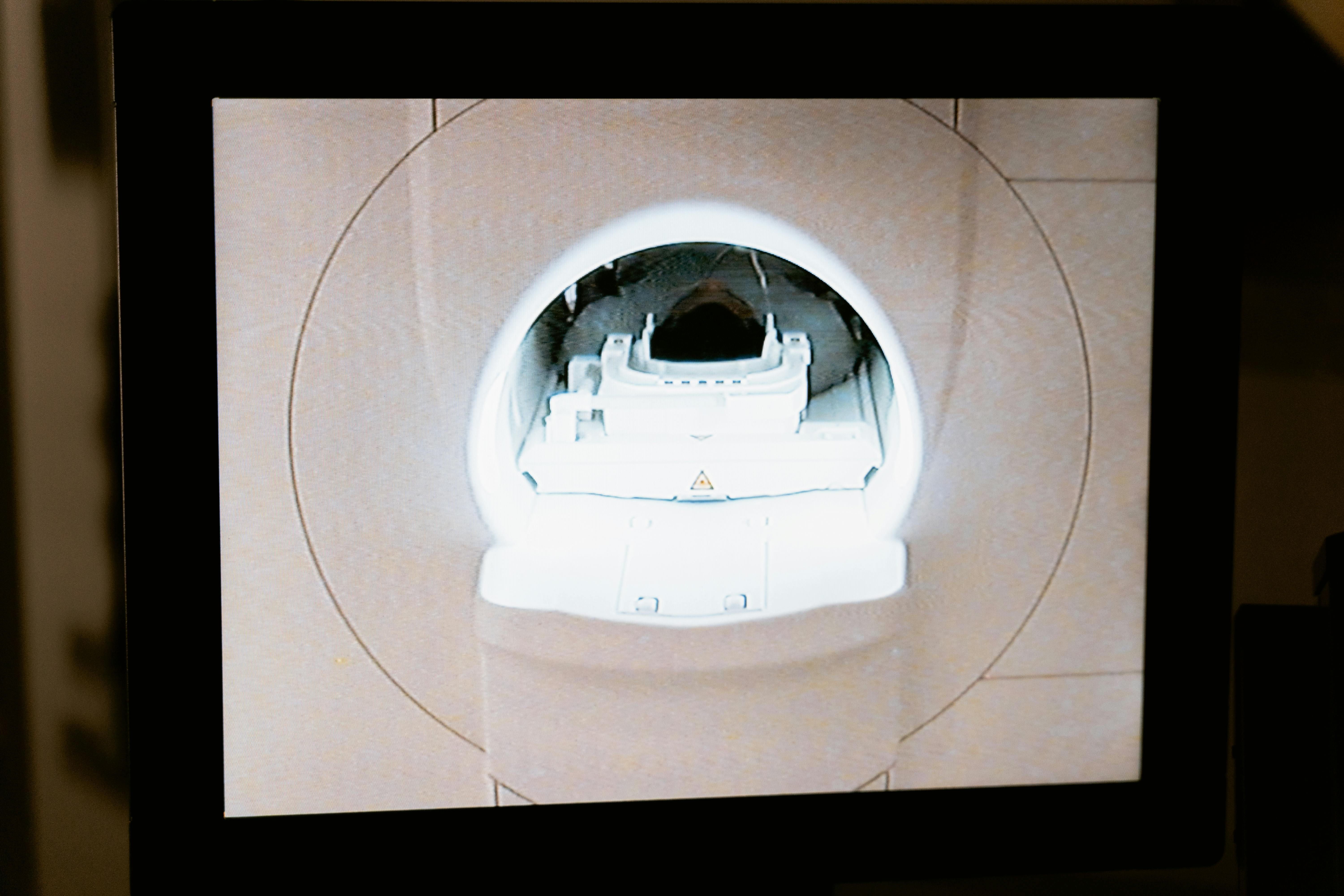
In the rapidly evolving field of healthcare, specialized radiological imaging services play a crucial role in diagnosis, treatment planning, and patient management. These services employ advanced technologies to provide detailed images of the human body, aiding in the detection and evaluation of various medical conditions. With the increasing demand for precision in medical diagnostics, the importance of specialized imaging services continues to grow. These services are utilized across various medical disciplines, including oncology, cardiology, neurology, and orthopedics, underscoring their versatility and essential role in modern medicine.
Types of Specialized Radiological Imaging Services
Specialized radiological imaging encompasses a range of techniques and technologies designed to capture detailed images of the body’s internal structures. Some of the most prominent types include:
- Magnetic Resonance Imaging (MRI): Utilizes magnetic fields and radio waves to produce detailed images of organs and tissues.
- Computed Tomography (CT): Employs X-ray equipment and computer processing to create cross-sectional images of the body.
- Ultrasound: Uses high-frequency sound waves to capture live images from the inside of the body.
- X-Rays: The most common form of imaging, used to view bones and certain body tissues.
- Nuclear Medicine Imaging: Involves the use of small amounts of radioactive materials to diagnose and treat a variety of diseases, such as cancer and heart disease. More details can be found at this nuclear medicine clinic.
Advanced Techniques in Diagnostic Imaging
Beyond traditional methods, advanced diagnostic imaging involves the integration of cutting-edge technology to enhance the accuracy and detail of medical imaging. Key advancements include:
- Positron Emission Tomography (PET): Often combined with CT or MRI to provide detailed images and functional information about organs and tissues.
- 3D Imaging: Allows for the reconstruction of images into a three-dimensional format, providing a more comprehensive view of the area being examined.
- Functional MRI (fMRI): Measures and maps brain activity by detecting changes associated with blood flow.
Such advanced diagnostic imaging techniques are critical in providing a deeper understanding of complex conditions and assisting in the development of targeted treatment plans.
Applications of Radiological Imaging Services
The applications of radiological imaging are diverse and cover a wide range of medical fields. Key applications include:
- Oncology: Imaging services are vital for cancer detection, staging, and monitoring treatment response.
- Cardiology: Techniques such as CT and MRI are used to visualize heart structures and assess coronary artery disease.
- Neurology: Imaging services help diagnose neurological disorders, including strokes, brain tumors, and degenerative diseases.
- Orthopedics: X-rays and MRIs are commonly used to evaluate musculoskeletal injuries and conditions.
These radiology imaging services ensure precise and accurate diagnostics, which are essential for effective treatment and improved patient outcomes.
The Role of Nuclear Medicine in Imaging
Nuclear medicine imaging is a unique area within radiological services that provides insights into the physiological function of organs and tissues. This technique is particularly valuable for:
- Assessing Organ Function: Such as kidney function and cardiac blood flow.
- Cancer Diagnosis and Treatment: Identifying cancerous tissues and monitoring treatment efficacy.
- Detecting Bone Abnormalities: Highlighting fractures, infections, and other bone-related conditions.
Through the use of nuclear medicine scans, healthcare professionals gain critical insights that complement other imaging modalities, enhancing the overall diagnostic capability.
Conclusion
Specialized radiological imaging services are indispensable in modern healthcare, providing vital information that supports accurate diagnosis and effective treatment. As technology continues to advance, these services will play an increasingly important role in improving patient care and outcomes. By integrating various imaging techniques, including radiological imaging services, healthcare professionals can deliver precise and personalized medical care, ultimately enhancing the quality of life for patients worldwide.

