Table Chair Repair: Making Your Furniture Like New
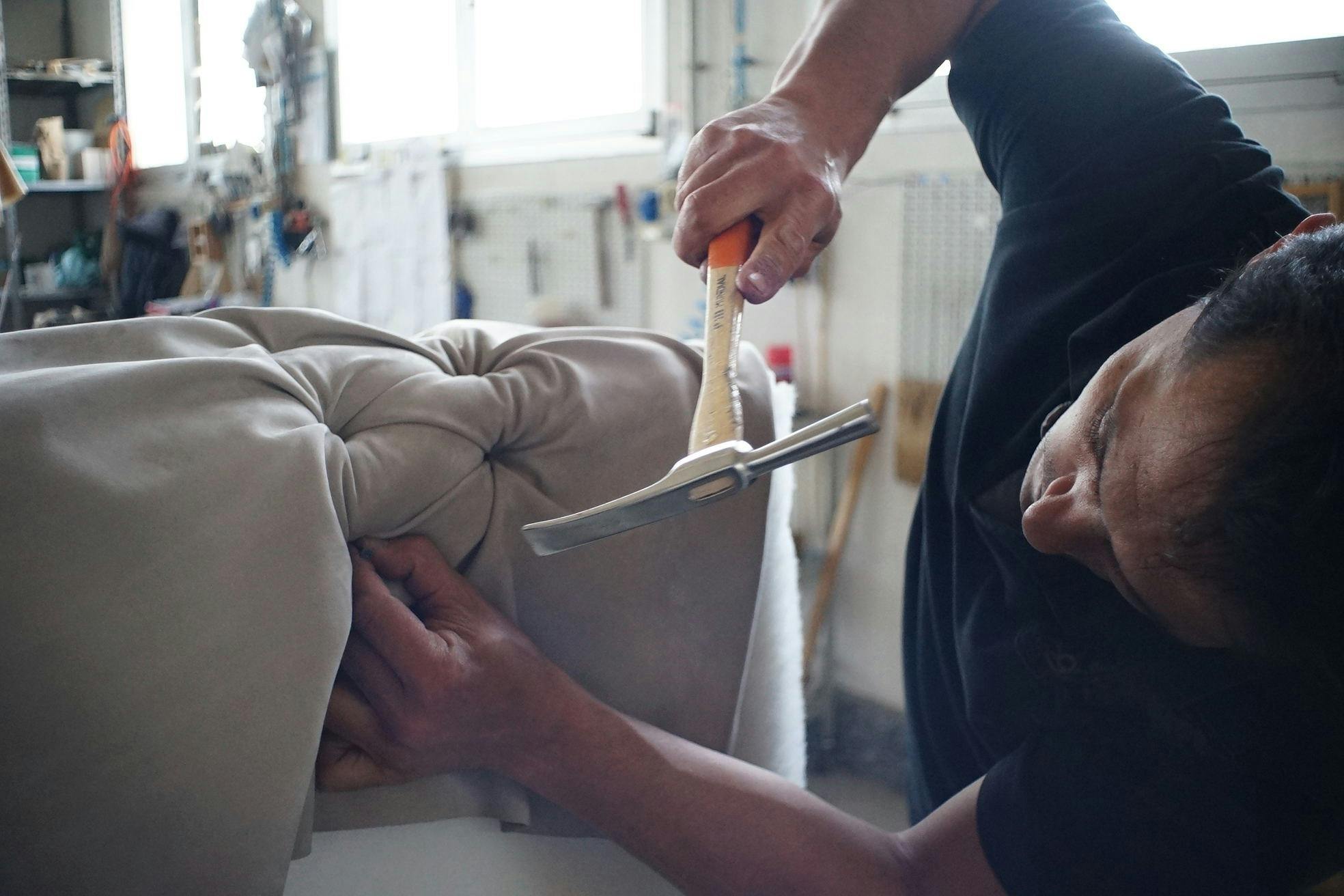
Furniture is an essential part of any home or office, providing comfort, functionality, and style. Over time, however, even the most well-crafted tables and chairs can show signs of wear and tear. Scratches, loose joints, and faded finishes can detract from the aesthetic and functional value of your furniture. Repairing these issues not only extends the life of your furniture but also rejuvenates their appearance, making them look as good as new. This article offers insights into the process of table and chair repair, providing you with the knowledge to tackle minor repairs and understand when professional help might be necessary.
Understanding Common Furniture Issues
Common issues that affect tables and chairs include:
- Scratches and Surface Damage: Everyday use can lead to scratches, dents, and other surface imperfections.
- Loose Joints: Over time, joints in furniture can become loose, affecting stability and safety.
- Wobbly Legs: Uneven floors or wear can cause table and chair legs to wobble.
- Faded or Peeling Finish: Exposure to sunlight and everyday use can cause finishes to fade or peel.
For a comprehensive understanding of these issues and how to address them, you can read more about this topic.
Basic Repair Techniques
Addressing Surface Scratches
To fix scratches on wooden surfaces:
- Start by cleaning the area with a mild soap solution to remove dirt and oils.
- Use a wood filler or a wax stick that matches the color of your furniture to fill in deeper scratches.
- Lightly sand the area with fine-grit sandpaper and apply a matching stain or finish.
Tightening Loose Joints
Tightening loose joints can often be achieved by:
- Using a screwdriver or wrench to tighten any visible screws or bolts.
- Applying wood glue to the joint and clamping it until the glue dries.
- Replacing damaged connectors with new hardware if necessary.
For more detailed instructions, learn more in this detailed guide.
When to Seek Professional Help
While many minor repairs can be handled at home, certain situations require professional expertise:
- Structural Damage: If the furniture has significant structural damage, it may not be safe to attempt repairs without professional help.
- Antique Pieces: Antique furniture often requires specialized knowledge to avoid damage during repair.
- Complex Finishes: Repairs involving intricate finishes or materials might necessitate professional skills to ensure a seamless look.
If you find yourself facing these challenges, explore further insights here.
Maintaining Your Furniture
Regular maintenance can prevent many common issues with tables and chairs:
- Regular Cleaning: Dust and clean surfaces weekly to maintain their appearance.
- Avoid Direct Sunlight: Prolonged exposure to sunlight can fade finishes, so position furniture away from windows or use curtains.
- Use Protective Pads: Place pads under furniture legs to prevent scratches on floors and reduce wobbling.
For additional maintenance tips, find additional information here.

