The Role of Therapeutic Education Services in Supporting Students
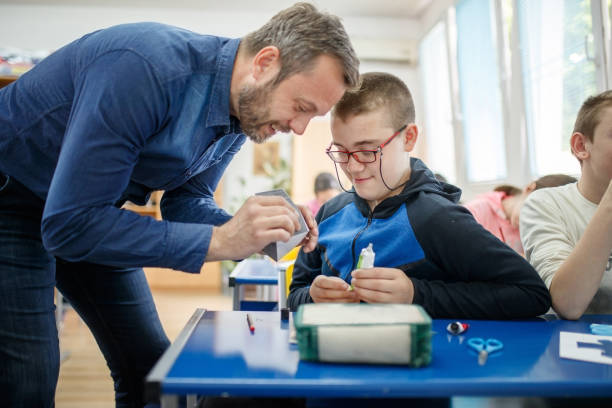
Therapeutic education services have become an essential component of modern schooling, bridging the gap between academic instruction and the emotional, social, and behavioral needs of students. By integrating evidence-based therapeutic techniques within the classroom, schools can create environments where every learner, regardless of ability or background, has the opportunity to thrive. This article examines the core functions of therapeutic education, the benefits it delivers to students and staff, and practical strategies for implementation.
Understanding Therapeutic Education Services
Therapeutic education blends traditional curriculum delivery with specialized support that addresses mental health, developmental challenges, and learning differences. The approach is multidisciplinary, often involving counselors, special-education teachers, speech-language pathologists, and occupational therapists working collaboratively.
Key Components
- Individualized Assessment: Comprehensive evaluations identify each student’s strengths, challenges, and preferred learning modalities.
- Integrated Intervention Plans: Tailored strategies align therapeutic goals with academic objectives, ensuring consistency across subjects.
- Progress Monitoring: Ongoing data collection guides adjustments to interventions, fostering continuous improvement.
- Family and Community Collaboration: Engaging caregivers and external agencies creates a support network that extends beyond the school walls.
Benefits for Students
When therapeutic services are embedded within daily instruction, students experience measurable gains across multiple domains.
Academic Gains
- Improved concentration and on-task behavior lead to higher test scores.
- Targeted language and executive-function support enhance reading comprehension and problem-solving abilities.
Social-Emotional Development
- Students acquire coping skills that reduce anxiety and increase resilience.
- Peer interaction improves through structured social-skills groups and cooperative learning activities.
Long-Term Outcomes
- Reduced dropout rates and higher graduation percentages.
- Better preparation for post-secondary education and employment.
For schools seeking evidence-based frameworks, Discover expert strategies here. offers a repository of research-backed models that align with therapeutic education principles.
Implementation Strategies for Schools
Integrating therapeutic services requires thoughtful planning, resource allocation, and staff development. Below are practical steps that can be adapted to various school settings.
1. Conduct a Needs Assessment
- Analyze student data (attendance, behavior referrals, academic performance) to pinpoint areas of greatest need.
- Survey teachers, parents, and students to gather qualitative insights.
2. Build a Multidisciplinary Team
- Identify existing staff with relevant expertise (e.g., school psychologists, counselors).
- Consider partnerships with external providers for services such as occupational therapy.
3. Develop Integrated Intervention Plans
- Use Individualized Education Programs (IEPs) or 504 Plans as frameworks for aligning therapeutic goals with academic standards.
- Incorporate universal design for learning (UDL) principles to benefit all students.
4. Provide Ongoing Professional Development
- Offer workshops on trauma-informed practices, behavior-intervention plans, and differentiated instruction.
- Encourage peer coaching and reflective practice circles.
Resources that outline step-by-step guidance are available at Learn about our tailored solutions. These guides help administrators translate theory into actionable plans.
Measuring Impact and Ensuring Sustainability
Effective therapeutic education programs rely on robust evaluation mechanisms to demonstrate value and secure ongoing support.
Data-Driven Evaluation
- Track key indicators such as attendance, disciplinary incidents, and academic growth.
- Use validated scales (e.g., Strengths & Difficulties Questionnaire) to assess social-emotional progress.
Continuous Improvement Cycle
- Review data quarterly with the multidisciplinary team.
- Adjust interventions based on trends and feedback.
Funding and Resource Allocation
- Leverage grant opportunities focused on mental-health and special-education initiatives.
- Demonstrate cost-effectiveness by linking reduced behavioral referrals to savings in disciplinary resources.
For deeper insight into sustainable models, Explore advanced guides and tips. provides case studies and budgeting templates that align with best practices.
Conclusion
Therapeutic education services are not an optional add-on; they are a foundational element of equitable, high-quality schooling. By addressing the whole child, cognitively, emotionally, and socially, schools create pathways for lasting academic success and personal growth. Institutions that adopt a data-informed, collaborative approach can expect measurable improvements in student outcomes, teacher satisfaction, and overall school climate. To stay current with emerging strategies and resources, educators are encouraged to Find out more about this approach. and integrate these insights into their continuous improvement plans.