Understanding the Importance of Kiln Wash for Glass Artists
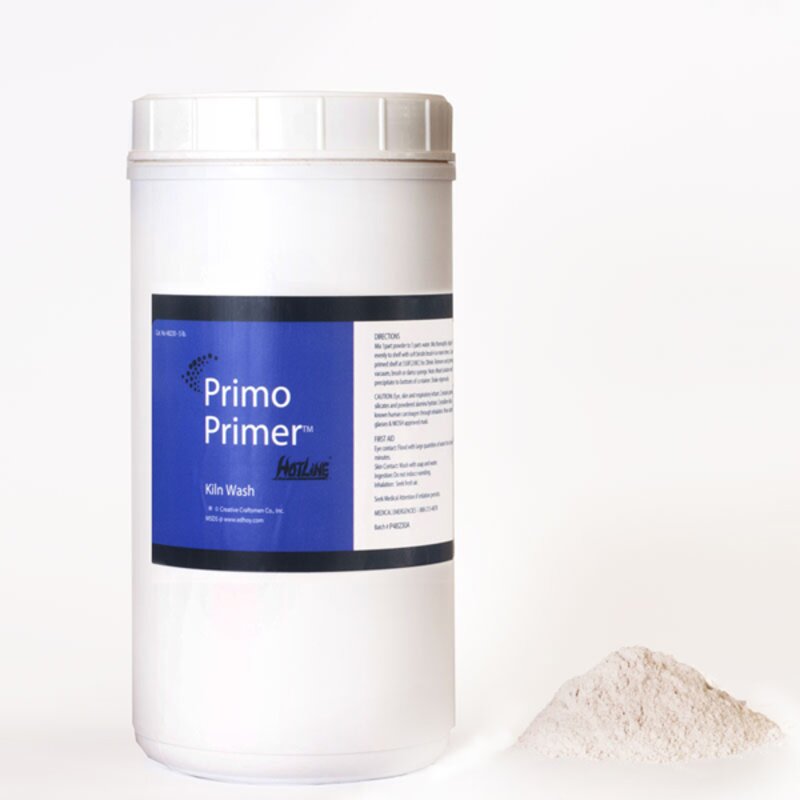
Kiln wash is an essential element in the toolkit of any glass artist. This barrier material, applied to kiln shelves, plays a pivotal role in ensuring the integrity of the art pieces while protecting the kiln itself from damage. Understanding the importance and application of kiln wash is crucial for achieving professional results in glass art projects. The consistent use of kiln wash not only contributes to the aesthetic quality of the finished piece but also extends the lifespan of kiln equipment, making it an indispensable practice in the art glass community.
The Role of Kiln Wash in Glass Artistry
Kiln wash serves multiple functions in the process of glass fusing and slumping. It is a refractory coating that prevents glass from sticking to the kiln shelves during firing. This separation is vital for several reasons:
- Prevents damage to kiln shelves caused by molten glass.
- Ensures clean release of glass pieces, maintaining the integrity of the artwork.
- Protects against costly repairs or replacements of kiln components.
By maintaining a protective barrier, kiln wash allows artists to focus on the creative process without worrying about the potential damage to their equipment. For more insights into its application and benefits, discover expert strategies here.
Types of Kiln Wash and Their Applications
Kiln wash comes in various formulations to cater to different types of projects and firing conditions. Selecting the appropriate type depends on the specific needs of the artist and the nature of the work being done.
Ceramic-Based Kiln Wash
This is the most common type used in glass art. It provides a durable, heat-resistant coating that is ideal for most fusing projects. Ceramic-based kiln wash is typically easy to apply and remove, making it a versatile choice for many artists.
Alumina-Based Kiln Wash
For artists working with higher temperatures or more demanding projects, alumina-based kiln wash offers superior protection. It withstands higher firing temperatures and is less prone to flaking or peeling.
Understanding the different types of kiln wash and their specific applications can significantly enhance the quality of your glass art projects. Learn about our tailored solutions to find the most suitable option for your needs.
Application Techniques for Optimal Results
The effectiveness of kiln wash largely depends on how it is applied. Proper application ensures a smooth firing process and prevents potential issues that can arise from improper use. Consider the following tips:
- Ensure the kiln shelf is clean and free of debris before applying kiln wash.
- Use a soft brush or roller for an even application.
- Apply multiple thin coats, allowing each to dry completely before adding the next.
- Avoid applying kiln wash to the edges of the kiln shelf to prevent flaking.
For a more comprehensive guide on application techniques, explore advanced guides and tips.
Maintaining Kiln Wash for Longevity
Regular maintenance of kiln wash coatings is necessary to ensure ongoing protection and performance. Over time, kiln wash can wear down and require reapplication. Some maintenance practices include:
- Inspecting kiln shelves for signs of wear or cracking before each firing.
- Reapplying kiln wash regularly to maintain a fresh, protective barrier.
- Cleaning kiln shelves thoroughly to remove any residual glass or old kiln wash before reapplication.
Consistent maintenance practices help preserve both the kiln and the quality of the glass art produced. Find out more about this approach to prolong the lifespan of your kiln equipment.

