Vintage Jewelry Portland: Timeless Beauty
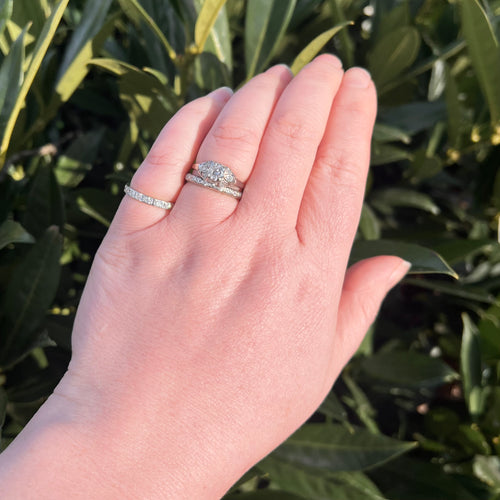
Portland, Oregon, is renowned for its eclectic culture and artistic flair, making it a fitting backdrop for the appreciation of vintage jewelry. The allure of vintage jewelry lies in its timeless elegance and the stories each piece carries from bygone eras. Whether you’re a seasoned collector or a curious newcomer, diving into the world of vintage jewelry can be a fulfilling journey. This article explores the charm and historical significance of vintage jewelry, offering insights into why these treasures remain a desirable choice for many.
The Allure of Vintage Jewelry
Vintage jewelry is more than just an accessory; it is a piece of history. These items often carry the craftsmanship and design aesthetics of the past, highlighting techniques and styles that were predominant in different eras. The uniqueness of each piece ensures that wearers express individuality and a sense of personal style.
- Historical Significance: Each item reflects the cultural and artistic influences of its time. Pieces from the Art Deco period, for example, exhibit bold geometric patterns and vibrant colors.
- Craftsmanship: Vintage jewelry often showcases meticulous attention to detail, with many pieces crafted by hand.
- Eco-Friendly: Choosing vintage is a sustainable option, as it promotes the reuse and recycling of existing resources.
For those interested in the deeper meanings and historical contexts of these pieces, explore further insights here.
Popular Styles and Eras
The world of vintage jewelry offers a vast array of styles, each representing different historical periods. Collectors and enthusiasts can appreciate the distinct characteristics that define each era.
Victorian Era (1837-1901)
Characterized by romantic and intricate designs, Victorian jewelry often incorporates motifs such as hearts, flowers, and serpents. Gold was predominantly used, and the pieces often featured gemstones like diamonds, emeralds, and sapphires.
Art Nouveau (1890-1910)
This era is known for its organic shapes and flowing lines. Art Nouveau jewelry often includes natural themes, with designs inspired by plants and flowers, and frequently uses materials like enamel and opals.
Art Deco (1920-1935)
Defined by its geometric shapes and bold designs, Art Deco jewelry embodies the spirit of the Roaring Twenties. Platinum and white gold were popular, along with diamonds and vivid gemstones.
Retro (1940s)
This period saw the use of large and colorful gemstones set in bold, chunky designs. The use of rose and yellow gold became prevalent, reflecting the optimism and glamour of post-war America.
For those looking to delve deeper into these unique styles, learn more in this detailed guide.
Caring for Vintage Jewelry
Owning vintage jewelry comes with the responsibility of preserving its condition and beauty. Proper care ensures that these timeless pieces can be treasured for generations.
- Regular Cleaning: Use a soft cloth to gently clean your jewelry. Avoid harsh chemicals that can damage delicate stones or settings.
- Storage: Keep pieces in a dry, cool place away from direct sunlight. Using individual pouches or compartments can prevent scratches.
- Professional Maintenance: Periodically have your jewelry inspected by a professional to ensure the settings are secure and any damage is addressed promptly.
For a more comprehensive understanding of how to maintain your collection, read more about this topic.
Conclusion
Vintage jewelry offers a bridge to the past, connecting us to the artistry and stories of previous generations. Its timeless beauty continues to captivate collectors and fashion enthusiasts alike. Whether you are drawn to the historical significance, exquisite craftsmanship, or the sustainable aspect of vintage jewelry, there is a wealth of knowledge to explore. Find additional information here to enrich your understanding and appreciation of these timeless treasures.