Why Every Chef Needs a Face Grain Cutting Board in Their Kitchen
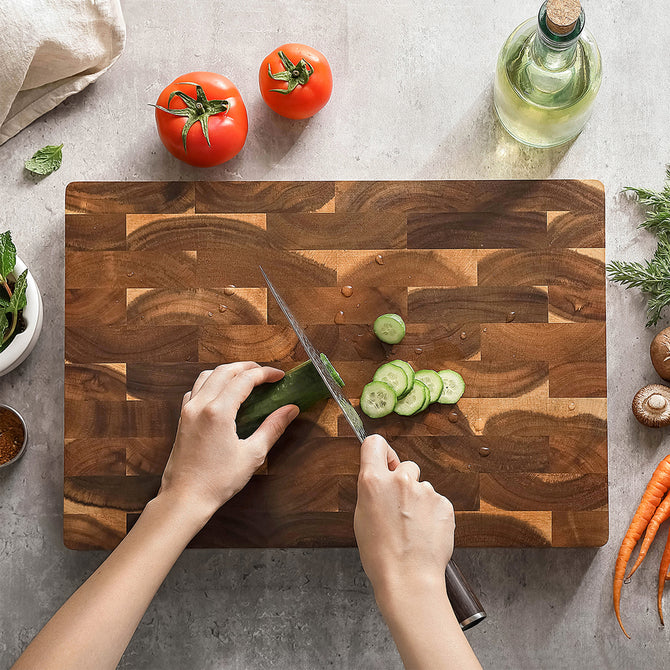
In the culinary world, the tools a chef chooses can significantly influence the quality of their creations. Among these tools, cutting boards are a staple, playing a crucial role in food preparation. While there are various types of cutting boards available, the face grain cutting board stands out for its unique benefits. This article explores why every chef should consider incorporating a face grain cutting board into their kitchen arsenal, examining its advantages and how it compares to other types of cutting boards.
Understanding Face Grain Cutting Boards
A face grain cutting board is made by joining multiple pieces of wood with the grain running parallel to the surface. This construction method not only showcases the natural beauty of the wood but also offers several practical advantages.
Visual Appeal
Face grain boards are known for their aesthetic appeal. The parallel grain pattern highlights the wood’s natural beauty, making these boards a popular choice for presentation purposes. Whether used for chopping or as a serving platter, a face grain board adds a touch of elegance to any kitchen.
Durability and Functionality
- Face grain boards provide a smooth and even surface, ideal for precise cutting and chopping.
- They are less prone to warping compared to other types of boards, ensuring longevity.
- While slightly softer than end grain wood cutting board, they are gentle on knife edges, reducing the need for frequent sharpening.
Comparing Cutting Board Options
Face Grain vs. Edge Grain
While both face grain and edge grain cutting boards offer durability, they differ in construction and appearance. Edge grain boards are made from strips of wood with the grain running vertically, providing a distinct look and slightly harder surface. Face grain boards, however, offer a smoother appearance with a more uniform surface.
Face Grain vs. End Grain
End grain wood cutting boards are often preferred by professional chefs due to their self-healing properties and resistance to knife marks. However, they are typically thicker and heavier than face grain boards. For chefs who prioritize ease of handling and visual appeal, a face grain board offers a compelling alternative.
The Benefits of Owning Multiple Cutting Boards
For chefs who appreciate versatility, having a variety of cutting boards is essential. Each type of board serves different culinary needs:
- A butcher block cutting board is ideal for heavy-duty tasks like chopping large cuts of meat.
- A wood grain cutting board offers a balance of durability and visual appeal for everyday use.
- A walnut end grain cutting board provides a hard, resilient surface for intensive chopping.
Conclusion
Incorporating a face grain cutting board into a chef’s kitchen can enhance both functionality and aesthetic appeal. Its unique blend of beauty, durability, and gentleness on knives makes it a valuable addition to any culinary workspace. While other types of wooden chopping boards also have their place, the face grain option provides a balanced choice that meets a variety of cooking needs.

