Discover Unique Video Shoot Locations for Your Next Project
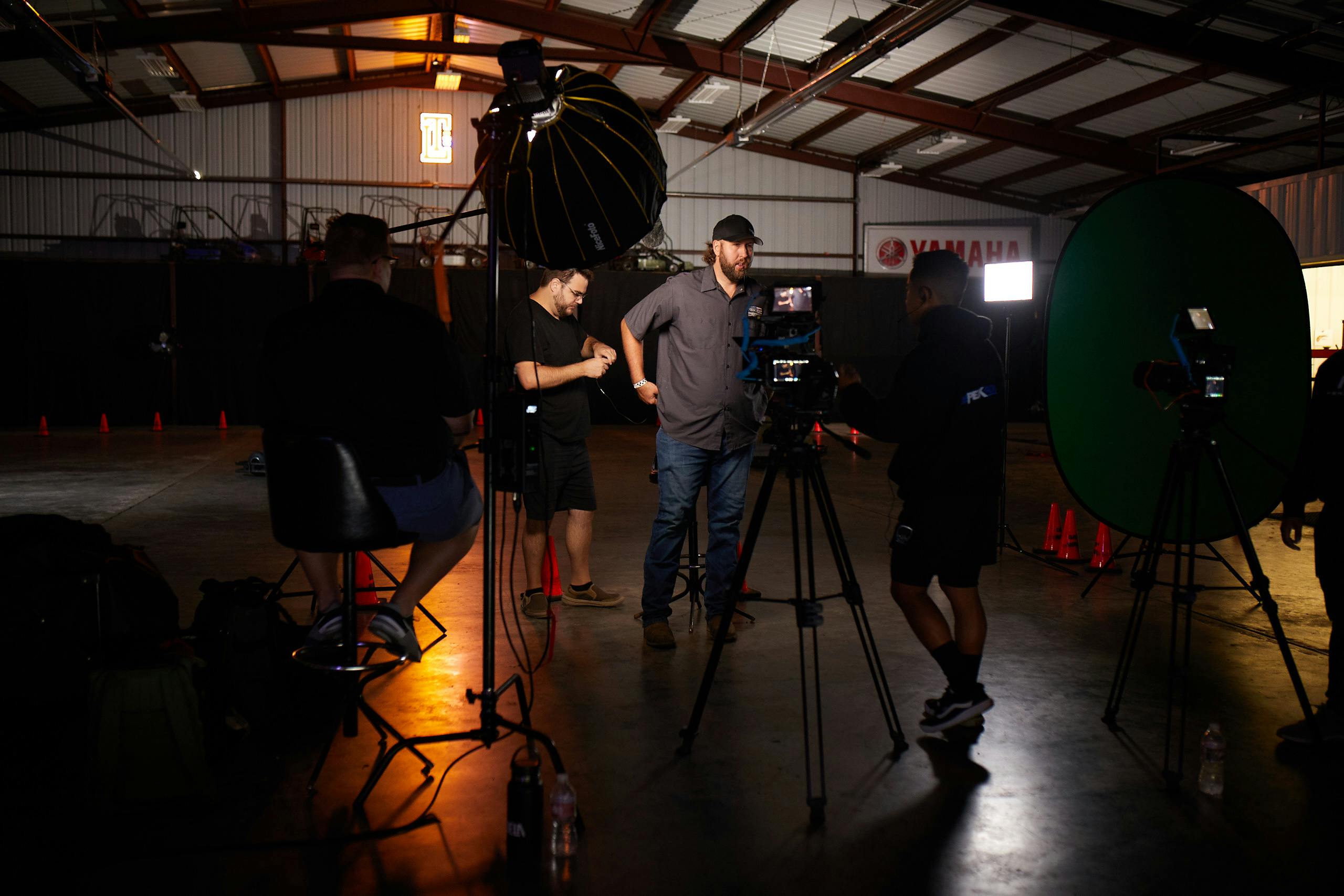
Finding the perfect backdrop can transform a video project from ordinary to unforgettable. Whether the goal is to convey a brand story, capture a documentary moment, or produce a cinematic short, the location sets the visual tone, influences lighting, and shapes audience perception. This guide explores a range of distinctive shooting environments, practical considerations for each, and actionable tips to streamline the scouting process.
Why Location Choice Impacts Production Quality
Every frame tells a story, and the setting is a silent character that interacts with the subjects. A well-chosen location can:
- Enhance narrative authenticity and emotional resonance.
- Reduce the need for extensive set construction or CGI.
- Provide natural lighting advantages that cut down on equipment rental.
- Offer logistical benefits such as accessibility, power availability, and permit simplicity.
For deeper insight into location strategy, Read more about this topic.
Categories of Unique Video Shoot Locations
Outdoor Natural Settings
Nature provides an endless palette of textures, colors, and moods. Consider the following environments:
- Coastal Cliffs and Beaches: Dramatic horizons and dynamic wave action create a sense of scale.
- Forests and Woodlands: Dappled light and organic backdrops work well for intimate narratives.
- Desert Landscapes: Expansive sand dunes offer minimalist aesthetics and striking contrast.
- Mountain Passes: Elevated viewpoints deliver breathtaking panoramas and a feeling of adventure.
When scouting these locations, Learn more in this detailed guide.
Urban Environments
Cityscapes bring energy, texture, and cultural context to a production. Effective urban locations include:
- Historic alleyways with weathered brick fa??ades.
- Modern glass towers for sleek, high-tech visuals.
- Rooftop terraces offering skyline vistas at sunrise or sunset.
- Public plazas with dynamic foot traffic for crowd-scene authenticity.
Explore further insights on leveraging city locations here.
Industrial and Architectural Spaces
Abandoned warehouses, factories, and unique architectural landmarks can add a gritty or futuristic vibe:
- Old factories with exposed steel beams provide a raw, industrial feel.
- Converted lofts combine historic character with modern amenities.
- Unique structures such as bridges, tunnels, or domes create memorable framing opportunities.
For practical advice on navigating permits for these sites, Find additional information here.
Practical Tips for Securing Permissions and Logistics
Regardless of the setting, obtaining the right permissions is essential to avoid costly delays.
- Research local regulations early; many municipalities have online permit portals.
- Engage with property owners or community boards well in advance.
- Prepare a concise location proposal that outlines shoot dates, crew size, equipment, and safety measures.
- Consider insurance requirements; some venues require proof of liability coverage.
Budget-Friendly Alternatives Without Compromising Creativity
High-impact visuals don’t always require expensive locations. Creative alternatives can stretch the budget:
- Public Parks: Often free with minimal permitting; scout for unique features like sculptures or water features.
- Friends’ Properties: Private backyards, garages, or rooftops can be transformed with set dressing.
- Virtual Production Stages: Combine limited physical space with LED walls for flexible backgrounds.
- Repurposed Commercial Spaces: Vacant retail storefronts can be rented short-term at low cost.
To understand how hybrid approaches can maximize production value, Explore further insights here.
Integrating Location Scouting Into the Pre-Production Workflow
Effective location scouting should be a collaborative effort among the director, cinematographer, production designer, and location manager. A typical workflow includes:
- Conceptual brainstorming based on script requirements.
- Preliminary online research using satellite maps and photo databases.
- On-site visits to assess lighting conditions, sound environment, and accessibility.
- Documentation of each site with photos, notes, and a quick SWOT analysis (Strengths, Weaknesses, Opportunities, Threats).
- Final selection and negotiation of contracts or permits.
Conclusion
Choosing a distinctive video shoot location is a strategic decision that influences storytelling, production efficiency, and overall visual impact. By exploring natural, urban, and industrial environments, understanding permission processes, and leveraging cost-effective alternatives, creators can elevate their projects without compromising on quality. For a deeper dive into location-focused production techniques, Read more about this topic.