Enhance Your Raleigh Home with Spray Foam Crawl Space Encapsulation
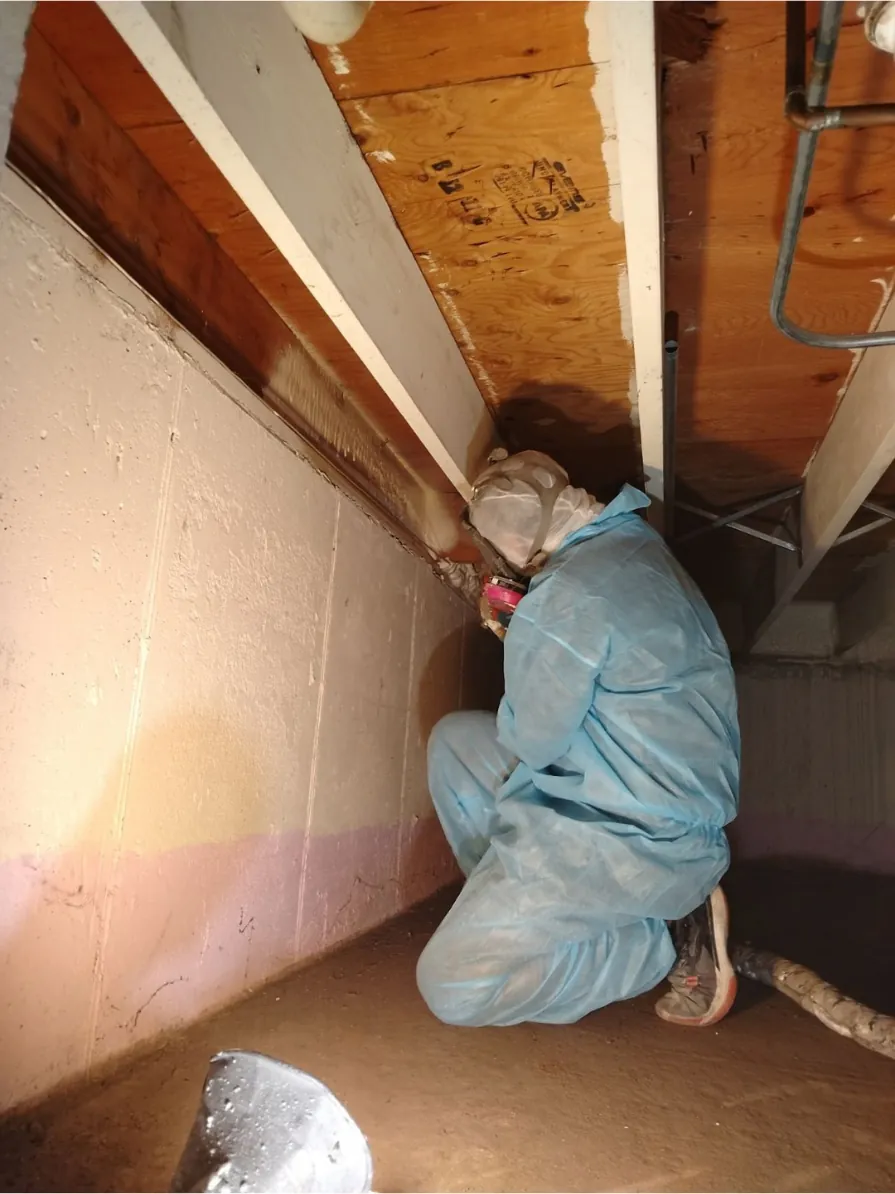
Raleigh homeowners are increasingly turning to spray foam crawl space encapsulation as a strategic upgrade that improves comfort, energy efficiency, and structural longevity. By sealing the crawl space with a high-performance foam barrier, moisture intrusion is dramatically reduced, indoor air quality is enhanced, and heating and cooling systems operate more efficiently. This article outlines the key advantages, the typical installation process, cost considerations, and maintenance tips to help property owners make an informed decision about protecting their homes.
Why Choose Spray Foam Crawl Space Encapsulation?
Encapsulating a crawl space with spray foam offers a comprehensive solution that addresses several common problems associated with unfinished basements and crawl areas.
- Moisture control: Closed-cell foam creates an airtight seal that blocks water vapor, preventing mold growth and wood rot.
- Energy savings: By insulating the foundation, the home retains heat in winter and stays cooler in summer, lowering utility bills.
- Improved indoor air quality: Reducing the exchange of stale, damp air with fresh indoor air lessens allergens and pollutants.
- Structural protection: A dry, stable environment safeguards joists, beams, and flooring from degradation.
- Increased home value: Professional encapsulation is a marketable upgrade that appeals to prospective buyers.
The Encapsulation Process Explained
Assessment and Preparation
Before any foam is applied, a thorough inspection identifies existing moisture sources, ventilation issues, and structural concerns. This step ensures that the encapsulation will be effective and long-lasting.
Application of Closed-Cell Spray Foam
Qualified technicians spray a uniform layer of closed-cell polyurethane foam onto the walls and, when appropriate, the floor of the crawl space. The foam expands to fill gaps, creating a seamless barrier that adheres directly to the substrate.
Sealing Penetrations and Installing a Vapor Barrier
All utility penetrations, such as plumbing and electrical lines, are sealed with compatible foam or caulk. A heavy-duty vapor barrier is then laid over the floor to provide an additional moisture shield.
Final Inspection and Certification
After the foam cures, a final walkthrough verifies that the encapsulation meets local building codes and performance standards. Documentation is often provided for future reference or resale.
Cost Considerations and Return on Investment
While the upfront expense of spray foam crawl space encapsulation can be higher than traditional methods, the long-term savings often justify the investment. Factors influencing cost include the size of the crawl space, existing moisture levels, and any required repairs before foam application.
- Material costs: Closed-cell foam is more expensive than open-cell alternatives but offers superior moisture resistance.
- Labor rates: Professional installation ensures proper coverage and adherence to safety standards.
- Energy rebates: Local utility companies in Raleigh sometimes offer incentives for energy-efficiency upgrades.
- Payback period: Homeowners typically recoup their investment within 3-5 years through reduced heating and cooling expenses.
Maintenance Tips for a Long-Lasting Encapsulation
Proper upkeep extends the benefits of the foam barrier and prevents future issues.
- Inspect the vapor barrier annually for tears or punctures.
- Check for any new water intrusion points after landscaping or foundation work.
- Maintain adequate exterior grading to direct rainwater away from the foundation.
- Schedule a professional inspection every 2-3 years to verify the integrity of the foam seal.
Choosing a Qualified Provider in Raleigh
When selecting a contractor, prioritize experience with crawl space encapsulation and a solid reputation for quality workmanship. Look for certifications from industry organizations such as the Spray Polyurethane Foam Alliance (SPFA) and verify that the installer follows local building codes.
For a reliable source of information and a vetted list of specialists, explore resources that discuss spray foam crawl space encapsulation in Raleigh. These guides often include customer reviews, case studies, and details about warranty coverage.
Conclusion
Spray foam crawl space encapsulation offers Raleigh homeowners a proactive approach to protecting their investment, enhancing comfort, and reducing energy costs. By understanding the benefits, the systematic installation process, and the long-term maintenance requirements, property owners can confidently decide whether this upgrade aligns with their goals. With the right professional partner, the encapsulated crawl space becomes a resilient foundation that supports a healthier, more efficient home for years to come.